
Learn about the parts of a garage door system every homeowner should know before calling for costly repairs.
Although it may appear straightforward at first glance, your garage door comprises several interconnected components that form a complex and carefully engineered system. Understanding the parts of a garage door system, from the torsion springs and rollers to the tracks, cables, and safety sensors, is key to maintaining smooth operation and long-term reliability. By familiarizing yourself with these elements, you’ll be better equipped to identify early warning signs of wear, imbalance, or malfunction before they become costly.
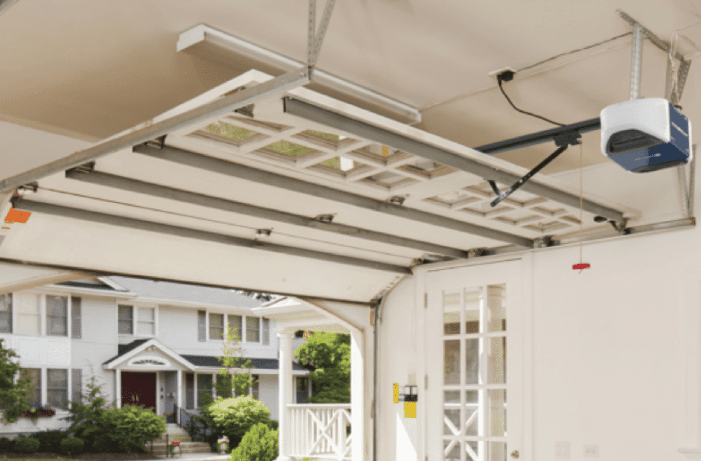
If your garage door is making unusual noises, opening unevenly, or simply not responding as it should, it may be time for a closer inspection. Fortunately, the professionals at Garage Door Wizard offer the expertise needed to diagnose and service every part of your system precisely. Whether you need routine maintenance, part replacement, or emergency repair, their experienced team is dedicated to ensuring your garage door functions safely and efficiently all year.
Overview: What Makes Up a Garage Door System?
When most homeowners think about garage doors, they picture the large, open, and closed panels. But in reality, the garage door system includes many vital parts for function, safety, and convenience.
Why It Matters to Know the Parts
Understanding the parts of a garage door system empowers you as a homeowner in several ways:
Diagnose issues early
Recognizing the signs of wear in specific components can help prevent bigger problems later.
Improve safety awareness
Some parts, like springs and cables, can be dangerous if tampered with. Knowing their purpose helps avoid DIY risks.
Communicate clearly with technicians
When you understand your system, you’ll be better equipped to discuss repairs or service options.
Major Mechanical Components
These physical, moving parts support and guide the garage door’s function.
Garage Door Panels
Panels are the most visible part of the system. They can be:
- Single-panel: A solid slab that swings up in one piece.
- Sectional: Multiple connected panels that bend along a track as they rise.
Material options include steel, aluminum, fiberglass, or wood, each affecting durability and insulation. Cracked or dented panels not only affect appearance, but they can also interfere with door movement.
Springs (Torsion and Extension)
Springs do the heavy lifting. They store energy to help raise and lower the door smoothly.
- Torsion springs are mounted above the door and twist to provide force.
- Extension springs stretch along the side of the door.
If a spring snaps, the door can become extremely heavy and unsafe. Spring tension must always be properly balanced, a task best left to professionals like Garage Door Wizard.
Tracks and Rollers
Tracks guide the door along its path, while rollers allow it to glide smoothly.
- Vertical tracks run alongside the frame.
- Horizontal tracks lead the door into the ceiling space.
The door may jam or grind during movement if the track is misaligned or blocked. Worn rollers can also cause jerky or noisy motion.
Hinges and Brackets
Hinges connect sectional panels, allowing them to bend as the door opens and closes. Brackets anchor the track and hold other components in place.
Over time, these parts can become loose or corroded. This can lead to poor movement and extra strain on the opener and springs if not addressed.
Electrical and Control Components
Beyond the hardware, garage doors rely on motors and electronics for smooth, remote operation.
Garage Door Opener Unit
This motorized device, usually mounted on the ceiling, opens and closes the door with a button or app tap.
Modern openers include:
- Safety sensors
- Wi-Fi connectivity
- Quiet-drive motors
If your opener is struggling or unresponsive, Garage Door Wizard can evaluate whether it’s a wiring issue, software glitch, or mechanical failure.
Limit Switches and Sensors
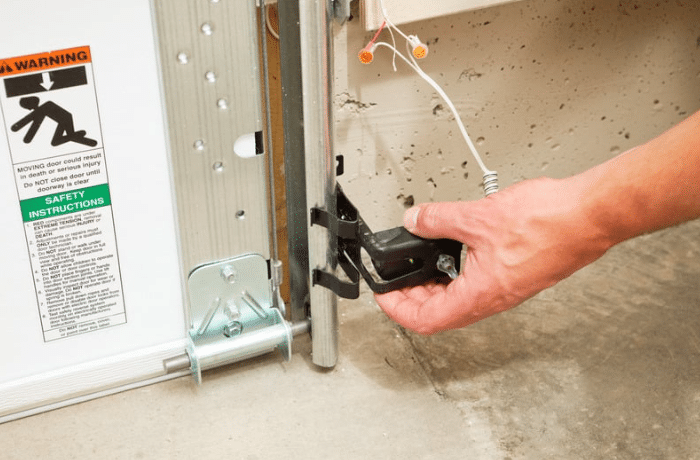
Limit switches tell the opener when to stop the door, preventing it from slamming into the ground or the ceiling. Safety sensors, located near the floor on each side, stop the door if something is in its path.
If the door reverses unexpectedly or won’t close all the way, misaligned or dirty sensors could be the cause.
Remote Controls and Keypads
Remote controls allow convenient garage access from your vehicle, while keypads provide secure, code-based entry from the outside.
If these controls stop working, the problem could be caused by dead batteries, programming errors, or receiver malfunctions.
Hardware and Safety Features
These components support smooth movement and overall safety.
Cables and Drums
Cables run alongside the door and wrap around drums located above the track. Working with the springs, they help lift and lower the door evenly.
Frayed or snapped cables are a serious hazard. Damaged cables may be the issue if your door appears uneven or won’t move. Contact Garage Door Wizard immediately for safe replacement.
Weather Seals and Bottom Rubber
Weather stripping and bottom seals protect the garage from wind, rain, pests, and temperature extremes. When worn, they can:
- Increase your energy bill.
- Allow water or rodents into the garage.
- Lead to rust or moisture damage.
Replacing these seals is a quick, affordable way to boost efficiency.
Routine Inspection and Maintenance Tips
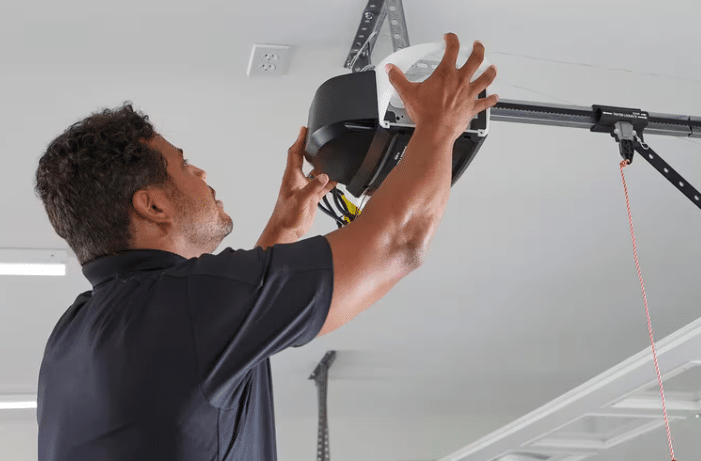
Regular maintenance is essential even if your garage door is working fine. Visual inspections can catch early signs of trouble, and simple upkeep can extend the life of your system.
Here are a few tasks you can do:
- Lubricate moving parts like rollers, hinges, and springs.
- Tighten any loose bolts or brackets.
- Clean the track and sensors to ensure smooth operation.
Garage Door Wizard also offers multi-point inspections to ensure every component works safely and efficiently. From opener diagnostics to cable checks, our technicians cover it all.
Common Issues and Which Parts Are Likely the Cause
Recognizing which parts might be causing problems can help you explain issues clearly when scheduling service.
- The door won’t open at all. It is likely a broken spring or a faulty opener.
- Uneven or jerky movement: Cables may be worn, or tracks may be misaligned.
- Grinding or squeaking sounds: Rollers, hinges, or motor gear may need lubrication or replacement.
- Door reverses before closing: Sensor misalignment or obstruction.
When to Contact Garage Door Wizard
While homeowners can do minor tasks like cleaning or lubricating, more serious repairs require professional attention.
Here’s when to call the experts:
- You hear loud bangs or sudden snaps.
- The door slams shut, or won’t open.
- The door moves unevenly or gets stuck midway.
- You notice frayed cables or cracked panels.
Garage Door Wizard provides fast, local service for all garage door issues. Our trained technicians ensure every repair is done safely and correctly, saving you from long-term headaches.
FAQ: Understanding the Parts of a Garage Door System
What is a garage layout?
A garage layout refers to the planned arrangement of zones and features within a garage space. It includes vehicle parking, storage, workbenches, tool areas, and walking paths. A well-designed layout maximizes functionality, improves organization, and ensures efficient use of space for vehicles, equipment, and household storage.
How do I organize my garage layout?
To organize your garage layout, start by zoning the space, separating areas for storage, tools, vehicles, and workstations. Use wall-mounted shelving, pegboards, and overhead racks to free up floor space. Label bins and keep frequently used items accessible. Regularly declutter to maintain a clean, efficient garage setup.
What are standard garage door sizes?
Standard garage door sizes typically range from 8 to 9 feet wide for single doors and 16 to 18 feet wide for double doors. Heights usually measure 7 to 8 feet. These dimensions suit most residential garages, but custom sizes are available for unique vehicle needs or taller storage space.
What is the area in front of a garage called?
The area in front of a garage is commonly known as the driveway apron or garage apron. It connects the driveway to the garage entrance and smooths the vehicle transition. This space is typically paved and helps support drainage while offering a clean, accessible approach to the garage.
Conclusion
Understanding the essential parts of a garage door system empowers you to make smarter choices about safety, performance, and maintenance. Each component, from the springs to the sensors, protects your home. Staying informed about these parts helps prevent unexpected issues and ensures your garage door remains secure and reliable year-round.
When keeping all parts of a garage door system in top condition, trust Garage Door Wizard. Our experienced team provides expert inspections, timely repairs, and clear guidance to help you maintain peace of mind. Whether you’re managing minor upkeep or major fixes, we’re here to support homeowners with professionalism, care, and proven expertise.
End Note
Garage Door Wizard is your trusted partner for expert garage door service in Texas. Whether you need a complete system inspection, urgent repair, or routine maintenance, our certified technicians are ready to help. Learn more about our wide range of services or visit our Cypress and Brookshire location pages for localized support. We invite you to explore our About Us page to see what differentiates us.
For helpful answers to common garage door questions, browse our FAQs or check out the latest tips on our blog. Curious about our past work? Visit the gallery to view successful projects. When ready, reach out through our contact page or head to our homepage to get started. Garage Door Wizard is here to make every repair, replacement, and upgrade stress-free and reliable.
Garage Door Wizard
17302 House Hahl Rd, Cypress, TX 77433, United States
+18325299590