
Your garage door plays a major role in home security and everyday reliability. It also affects curb appeal and the extent to which your home is protected from outdoor conditions. Over time, constant opening and closing, weather exposure, and aging parts can reduce performance. Many homeowners struggle to know when minor repairs are no longer sufficient and when garage door replacement is the smarter long-term choice.
Knowing the warning signs early helps you make confident decisions for your home. When wear reaches a certain point, replacement can restore smooth operation, enhance safety features, and improve energy efficiency. Monitoring changes in performance, appearance, and reliability helps you address minor issues before they become larger concerns, keeping your garage door operating safely and consistently.
Understanding Garage Door Replacement: Why It Matters for Cypress, Texas Homes
A garage door replacement supports more than curb appeal. It can strengthen home security and restore reliable operation when the system begins to fail. When a garage door doesn’t operate properly, safety risks can increase, including sudden drops, inconsistent closing, or gaps that facilitate unauthorized entry. In Cypress, Texas, homeowners often weigh ongoing repair services against full replacement based on safety, reliability, and long-term performance.
Garage door repair can address a single issue, such as a worn roller, damaged panel section, or a failing opener. Replacement updates the entire system, reducing the risk of recurring issues caused by aging parts. While replacement needs vary by door style, materials, and installation scope, choosing a full-system upgrade can deliver longer-lasting results and greater confidence that the door will operate safely and consistently.
If you want a deeper guide on deciding when replacement makes sense, read When Is Garage Door Replacement the Right Choice?
How Garage Door Replacement Differs from Garage Door Repair
Deciding between garage door repair and full replacement can feel challenging. Repair is often the right choice for smaller issues or when only one part has failed. For example, a technician may replace rollers, adjust track alignment, repair a single panel section, or correct opener settings. Many homeowners choose to repair when the door is newer, damage is limited, and overall operation remains stable.
Garage door replacement is a full system update, not a single repair. It involves removing the existing door and related parts, then installing a new door system designed to operate as a matched set. Replacement is usually the better selection when problems are widespread, such as heavy rust, frequent breakdowns, repeated service needs, or significant structural damage that affects safe operation. This approach addresses the underlying wear rather than temporary symptoms.
When repair costs keep increasing, or the door no longer feels reliable, replacement can reduce repeat service calls. A new system brings compatible hardware, improved safety features, and smoother day-to-day performance, helping restore consistent operation over the long term.
If you want to see what the replacement process includes from start to finish, read What Happens During a Garage Door Replacement?
When Is Garage Door Replacement the Right Choice?
Some garage door issues can be resolved with a straightforward repair. In other cases, the problem runs deeper, and a full replacement becomes the better long-term selection. If you need service repeatedly, it often signals ongoing wear across key parts rather than a one-time issue.
Frequent repairs can become expensive, especially when the same failures return. Over time, service costs can approach the cost of a new system. When the opener, cables, springs, or track alignment continue to cause trouble, replacement can deliver more reliable performance and reduce repeat service calls.
Consider garage door replacement if you notice:
- Safety hazards, such as the auto-reverse not operating correctly
- Multiple panels with rust, cracks, or structural weakness
- A door older than 15–20 years with clear wear and declining performance
- Repair bills that keep increasing and become difficult to manage
Recognizing these signs early helps protect home security, restore dependable operation, and reduce long-term service needs.
If you want a realistic breakdown of timing and what can extend the schedule, read How Long Does a Garage Door Replacement Take?
Top Signs Your Garage Door Needs Replacing
Knowing when to stop repairing a garage door and move to replacement often comes down to clear changes in performance and condition. Certain warning signs indicate that the door is no longer operating as intended. These issues can disrupt your routine, increase safety risks, and allow unwanted airflow, which can affect energy efficiency.
Ignoring these signals can lead to larger failures later. It helps to inspect the door’s appearance and operation periodically so you can address issues before they escalate. Paying attention early can also help you plan replacement at the right time, rather than dealing with unexpected breakdowns.
Common signs you may need a garage door replacement include a noisy operation, rough or uneven movement, and visible damage, such as cracks or dents. Structural issues can prevent the door from sealing and moving correctly, which may affect comfort and efficiency. If the door is very old, requires repeated service, or repair costs keep rising, replacement is often the smarter long-term selection for safer, more reliable performance.
For a neutral breakdown of what inspectors evaluate, this inspection overview explains how wear in common parts can show up as noise, uneven travel, and inconsistent operation.
Physical Damage and Deterioration to Garage Doors
A clear sign that a garage door may need replacement is visible damage to the door itself. A small dent may be cosmetic, but larger damage can weaken the structure and affect safe operation. Inspect for rust, cracks, sagging sections, or panels that bend outward. These issues are common on older wood or steel doors, especially after years of weather exposure.
This level of deterioration can prevent smooth opening and closing and may create gaps that reduce insulation and weaken security. When damage is widespread, repairing one part may not restore reliable performance or proper sealing. In many cases, replacement becomes the smarter long-term selection once the door’s structure has declined.
Key types of damage to watch for include:
- Cracked or broken panels that weaken the door
- Heavy rust that eats through the material
- Warping from moisture or long-term wear that prevents a proper seal
Recurring Malfunctions and Difficult Operations
Loud or unusual sounds during operation, such as grinding, scraping, or creaking, often indicate worn parts that are no longer working correctly. Some noise can improve with proper lubrication, but when sound persists, it usually shows deeper issues that routine repair may not fully resolve.
Difficulty operating the door is another strong warning sign. If the door gets stuck, moves unevenly, or fails to open or close fully, the system may be nearing a breakdown. Common causes include opener strain, track misalignment, spring wear, or cable issues. When these problems continue despite service, replacement is often the best long-term solution for reliable, safe operation.
Watch for recurring issues such as:
- Trouble opening or closing, including sudden stops or failure to operate
- Excessive shaking or persistent loud operation
- Delayed response after pressing the remote
- A door that feels unusually heavy when lifted by hand
Age & Lifespan: When Old Garage Doors Should Be Replaced
The age of your garage door is an important factor when deciding on replacement. Like other major home systems, garage doors have a limited lifespan. Regular maintenance can extend performance, but older doors still decline over time as materials weaken, hardware wears down, and moving parts lose reliability. Technology can also become outdated, especially with safety features and opener compatibility.
Even if there is no obvious damage, an aging door may no longer perform reliably or provide adequate security. Choosing replacement before a major failure can help avoid a sudden breakdown at an inconvenient time. A newer system can also offer enhanced safety features and improved energy efficiency, supporting more consistent comfort and long-term reliability.
Typical Lifespan of Residential Garage Doors
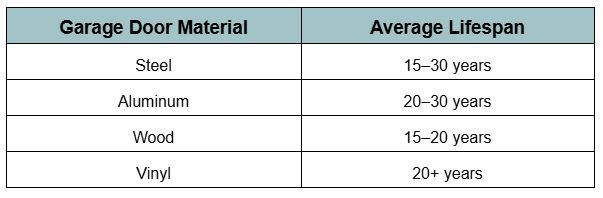
A residential garage door’s lifespan depends on several factors, including the material, local weather conditions, daily usage, and the quality of routine maintenance. With proper maintenance, many garage doors last 15–30 years. However, heavy daily cycles and harsher environments can shorten that timeframe, even when regular inspection and service are performed. Ongoing maintenance supports smoother operation by reducing wear on key parts.
Modern garage doors are built with durable materials and may offer improved energy efficiency through better insulation and tighter seals. If your current door is aging and repair costs keep rising, replacement may be the smarter long-term selection for dependable performance and fewer repeat service calls.
Effects of Texas Climate on Garage Door Longevity
Texas weather can be tough on garage doors. Intense heat, high humidity, and rapid temperature swings can cause materials to expand and contract, leading to warping, cracking, or fading over time. Wood doors can swell and deteriorate with prolonged exposure to moisture, while steel doors may rust if protective finishes are worn or damaged.
These conditions also affect more than the panels. Temperature changes can increase wear on moving parts, including springs, rollers, hinges, and the opener system. As metal expands with heat and contracts when temperatures drop, hardware can lose alignment and wear more quickly, leading to more frequent breakdowns and a shorter overall lifespan.
To support garage door longevity in Texas, keep these points in mind:
- Extreme heat can contribute to panel warping and surface cracking
- High humidity can accelerate rust on steel and deterioration on wood
- Routine inspection and maintenance help extend service life and support safe operation
Exploring Garage Door Installation Options in Cypress
When it’s time to replace an older door, exploring garage door installation options helps you match performance to your home’s style. A new garage door can enhance curb appeal, improve security, and boost energy efficiency through modern insulation and tighter seals. With many current designs and materials available, most homeowner households can find an option that fits both function and appearance.
You can select a traditional raised-panel design or choose a modern style such as a full-view glass door, depending on your home’s exterior and daily needs. A skilled technician can explain material choices, insulation levels, hardware quality, and safety features, helping you select the best system for your Cypress home.
Most Popular Garage Door Types for Local Homes
In the Houston area, homeowners can choose from several garage door styles that enhance both appearance and day-to-day performance. One of the most common choices is a sectional garage door. Sectional doors are durable, reliable, and available in a range of designs and materials, making them a practical fit for a wide range of home exteriors.
For a more distinctive design, some homeowners choose modern full-view glass doors or wood-overlay styles that add a contemporary or upscale finish. If energy efficiency is a priority, an insulated door can help maintain more stable garage temperatures through better sealing and insulation. The best selection depends on what matters most to you: style, durability, insulation, and long-term reliability.
Popular garage door types include:
- Sectional garage doors: Classic, reliable, and available in many designs
- Roll-up garage doors: Helpful when overhead ceiling space is limited
- Modern full-view garage doors: Glass-forward style for a clean, updated exterior
- Carriage house style doors: Traditional appearance with decorative character
Benefits of Upgrading to an Insulated Garage Door
Upgrading to an insulated garage door can improve comfort and performance, especially in Texas, where temperatures can shift quickly. Insulation helps maintain more consistent garage temperatures year-round. When the garage connects to the home, improved insulation and tighter sealing can reduce heat transfer, which may support more consistent indoor comfort and improved energy efficiency.
Insulated doors can also add strength. The layered construction can reduce denting, improve durability, and support smoother long-term operation. Many homeowners also notice a quieter garage because insulation can help reduce outside noise and vibration during door movement.
Key benefits of an insulated garage door include:
- Improved energy efficiency through better temperature control
- Quieter operation and reduced outside noise
- Stronger construction for long-term durability
What Are the Benefits of Replacing Your Garage Door?
Garage door replacement does more than resolve an ongoing issue. A new door can refresh your home’s exterior and improve curb appeal, especially since the garage door takes up a large portion of the front view. Replacement can also improve energy efficiency by enhancing insulation and sealing, reducing heat transfer, and providing more consistent indoor comfort.
A modern system can also improve safety and day-to-day reliability. Newer doors and openers are built with updated safety features, durable materials, and smoother operation that reduces strain on key parts. With proper installation and compatible hardware, the door can open and close consistently, enhance security, and deliver long-term value by reducing the need for repeat service.
Improved Energy Efficiency and Security
A new garage door can improve energy efficiency by reducing heat transfer through the garage opening. Many newer doors include insulation and improved perimeter seals, helping keep heat out in summer and maintain warmer conditions in cooler months. This matters most when the garage connects to the home, since temperature changes in the garage can affect nearby living spaces.
Replacement can also strengthen security. Older doors may have worn panels, weak locking points, or outdated opener features that make unauthorized entry easier. Newer doors are built with durable materials and can be paired with modern openers that include rolling-code technology to help prevent remote signal copying. Updated safety features can also support more reliable operation. For a plain-language definition of how modern remotes reduce replay risks, rolling code basics explains the security concept behind rolling codes in keyless entry systems
Key improvements include:
- Better insulation and sealing to support energy efficiency
- Stronger materials that can help reduce break-in risk
- Compatibility with modern safety features, including motion detection options
- Greater overall security and day-to-day confidence
Boosting Home Value Through Modern Door Upgrades
Garage door replacement is an effective way to refresh your home’s exterior and increase property value. Because the garage door occupies a large portion of the front view, an older, worn door can make the entire home appear dated. Installing a modern door can immediately improve curb appeal and make the exterior feel more modern and well-maintained.
This upgrade can also deliver a stronger return than many other exterior improvements. Many buyers notice the garage door immediately, and a newer system can signal that key components have been updated for reliable operation and security. When the design matches your home’s architecture, the result is a cleaner first impression that can strengthen perceived value.
A modern door upgrade can:
- Improve curb appeal and exterior appearance
- Support higher perceived value and buyer confidence
- Deliver a strong return compared with many other home upgrades
Knowing when a garage door needs replacement helps protect home security and
supports reliable daily operation. If you notice structural damage, recurring malfunctions, or a door that is past its prime, replacement may be the smarter long-term selection. Paying attention early can reduce safety risk, improve performance, and help prevent unexpected breakdowns.
At Garage Door Wizard, we provide clear recommendations and professional installation services for homeowners in Cypress, Texas. Our technicians focus on safe removal, correct setup, and smooth operation with careful inspection of essential parts. If you’ve noticed any of the warning signs or want to explore replacement options, contact us or give us a call anytime.
Frequently Asked Questions
Do I need permits for garage door installation or replacement in Cypress?
Permit rules vary by location and project scope. Many standard replacements do not require a permit, but some installations may require one. We recommend checking local requirements or asking your installer to confirm code and permitting needs.
How do I choose a reliable garage door replacement service near me?
Select a provider with licensing and insurance, strong reviews, and clear communication. Ask about warranties on parts and labor, service timelines, and how safety checks are handled after installation.
What signs indicate that I need a replacement rather than a repair?
Replacement is often the better selection when there’s structural damage, multiple compromised panels, heavy rust, repeated breakdowns, or safety features that no longer work properly. A door older than 15–20 years with recurring issues is also a common indicator.
How long does garage door replacement usually take from start to finish?
Many standard replacements can be completed in a few hours. Timing depends on door size, opener installation, track condition, and any framing or electrical adjustments needed.
What are the benefits of upgrading to an insulated garage door?
Insulated doors help maintain more consistent temperatures, improve energy efficiency, and reduce outside noise. They can also add strength, reducing denting and supporting long-term durability.
Will replacing my garage door improve energy efficiency?
Yes, especially with an insulated door and upgraded seals. Improved sealing can reduce heat transfer and drafts, helping ensure more consistent comfort in adjacent rooms.
What’s the average lifespan of a garage door?
With routine care, many garage doors last around 15–30 years. Usage frequency, weather exposure, and material type can shorten or extend that lifespan.
How can I tell if my garage door springs are failing?
Common signs include a door that feels unusually heavy, uneven lifting, loud snapping sounds, or a door that won’t open fully. Springs are high-tension parts, so professional service is recommended.
Can I replace a spring myself?
It’s not recommended. Springs operate under high tension, and incorrect handling can cause serious injury or property damage. A technician can replace the correct spring type and calibrate the balance for safe, smooth operation.