
LiftMaster garage door openers are widely recognized for reliable performance and modern convenience. Many homeowners depend on them every day to open and close the garage door safely and smoothly. Like any mechanical system, however, a garage door opener can develop issues over time as parts wear down or environmental conditions affect the system, often leading to the need for professional garage door repair.
In Cypress, TX, garage door systems often experience additional strain from heat, humidity, dust, and occasional power interruptions during storms. These factors can affect electronics, sensors, and moving hardware. When a LiftMaster opener begins acting differently, the system is often signaling that something in the garage door assembly needs attention.
LiftMaster Opener Beeping or Making Warning Sounds
A beeping LiftMaster opener can be surprising when it starts suddenly. The sound is usually not random. Many LiftMaster models include built-in alerts that notify homeowners when the garage door opener detects a condition that requires attention.
What the Beeping Can Indicate
- Backup battery reaching the end of its lifespan
- Temporary power interruption affecting the opener
- Safety sensor detection issue
- Internal diagnostic notification
What Homeowners Can Check
- Inspect the backup battery inside the opener unit
- Confirm that the outlet supplying power is functioning
- Check that nothing blocks the safety sensors near the floor
- Clean dust or debris from the sensor lenses
Tips to Reduce Future Alerts
- Replace the opener backup battery periodically
- Keep the safety sensor area clean
- Schedule routine garage door inspections
For more detailed insight into system alerts, homeowners may find helpful information in What LiftMaster Opener Warning Sounds And Lights Mean.
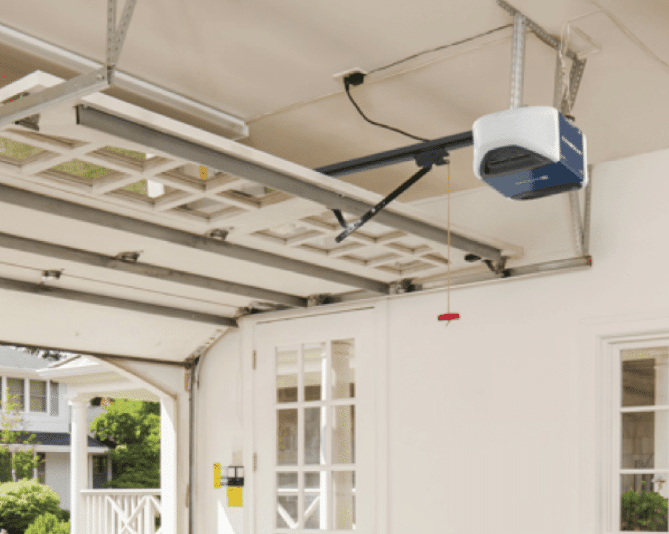
Garage Door Not Responding to the Remote or Wall Button
Another common concern occurs when the garage door does not respond after pressing the remote control or wall console. In many cases, the opener still has power but cannot receive the signal.
Possible Causes
- Remote control batteries are weak or depleted
- Wireless signal interference from nearby devices
- Remote programming no longer matches the opener
- The wall console lock feature is activated
What to Inspect First
Replace the batteries in the remote control
Test the wall console to see if the opener responds
Confirm the opener antenna hangs freely
Check that the wall console lock feature is not enabled
Prevention Tips
Replace remote batteries periodically
Avoid storing remotes in extremely hot vehicles
Reprogram remotes when installing new opener accessories
Garage Door Reverses Before Closing
LiftMaster garage door openers include built-in safety systems designed to prevent accidents. When the opener detects something blocking the doorway, the door may stop and reverse direction.
Why This Happens
Most LiftMaster systems rely on photo-eye safety sensors located near the base of the garage door tracks. These sensors create an invisible beam across the doorway. If something interrupts the beam, the opener stops the door from closing.
Common Causes of Door Reversal
- Misaligned safety sensors
- Dirt or debris covering the sensor lenses
- Objects located in the doorway
- Debris inside the garage door track
What Homeowners Can Safely Check
- Confirm that both sensors face each other
- Look for steady indicator lights on the sensors
- Remove objects blocking the doorway
- Clear debris from the door tracks
Opener Motor Runs but the Garage Door Does Not Move
Sometimes the opener motor activates while the garage door remains in place. The motor may sound normal, but the door does not lift.
Possible Mechanical Causes
- Disconnected trolley mechanism
- Worn opener drive gear
- Broken garage door spring
- Chain or belt drive issue
If the opener runs but the door stays in place, the issue may involve internal settings or disengaged components, which can sometimes be resolved by checking the trolley connection or opener configuration.
Important Safety Reminder
Garage door springs carry significant tension. Attempting to repair or replace springs without proper tools and training can lead to injury. If a spring failure is suspected, contacting a trained technician is the safest option.
LiftMaster Opener Motor Moves Slowly or Struggles
A garage door opener should lift the door smoothly and consistently. When the motor begins operating slowly, the system may be experiencing additional strain.
Causes of Motor Strain
- Garage door springs are beginning to weaken
- Worn or damaged rollers
- Lack of lubrication on moving hardware
- Door imbalance, placing extra weight on the opener
Signs Homeowners May Notice
Slower door movement during operation
Unusual motor noise
Door movement that appears uneven
The door feels heavy when lifted manually
Maintenance Tips
Apply garage door lubricant to moving parts
Schedule periodic garage door inspections
Address worn rollers or hinges early
Reduced tension or worn components can affect how efficiently the opener lifts the door, and even small mechanical changes may lead to noticeable performance issues.
Homeowners interested in learning more about underlying causes may benefit from reading Why LiftMaster Garage Door Openers Stop Working Unexpectedly.
Flashing Lights on the LiftMaster Opener
LiftMaster openers often use flashing lights to signal that the system has detected a problem. These lights serve as a diagnostic feature that alerts homeowners to possible safety concerns.
What Flashing Lights May Indicate
- Safety sensor interruption
- Door resistance detected by the opener
- Adjustment needed in the opener force settings
Why These Signals Matter
These alerts help homeowners recognize issues early. Addressing smaller problems quickly may prevent larger garage door repairs later.
Smart LiftMaster Opener Connectivity Problems
Many modern LiftMaster models include Wi-Fi connectivity that allows homeowners to control the garage door using a smartphone app. While convenient, connectivity issues may occasionally occur.
Common Connectivity Problems
- Weak Wi-Fi signal reaching the garage
- Router interference is affecting communication
- Outdated mobile app or firmware
What Homeowners Can Check
Confirm the Wi-Fi signal reaches the garage area
Restart the router if the connection drops
Update the mobile app when updates become available
Signs a LiftMaster Opener May Need Professional Attention
Some garage door opener problems require professional evaluation to ensure safe operation. Homeowners should consider scheduling service if they notice:
- Loud grinding or scraping sounds
- Door closing unevenly
- Repeated safety sensor alerts
- Motor overheating or shutting down
Garage door repair needs vary depending on the affected components. Issues involving sensors, electrical parts, or opener gears typically fall within average repair ranges, while larger mechanical concerns may require additional service.
Homeowners unsure whether a problem requires professional help may find useful guidance in When LiftMaster Opener Issues Need Professional Repair.
Preventing Future LiftMaster Opener Problems
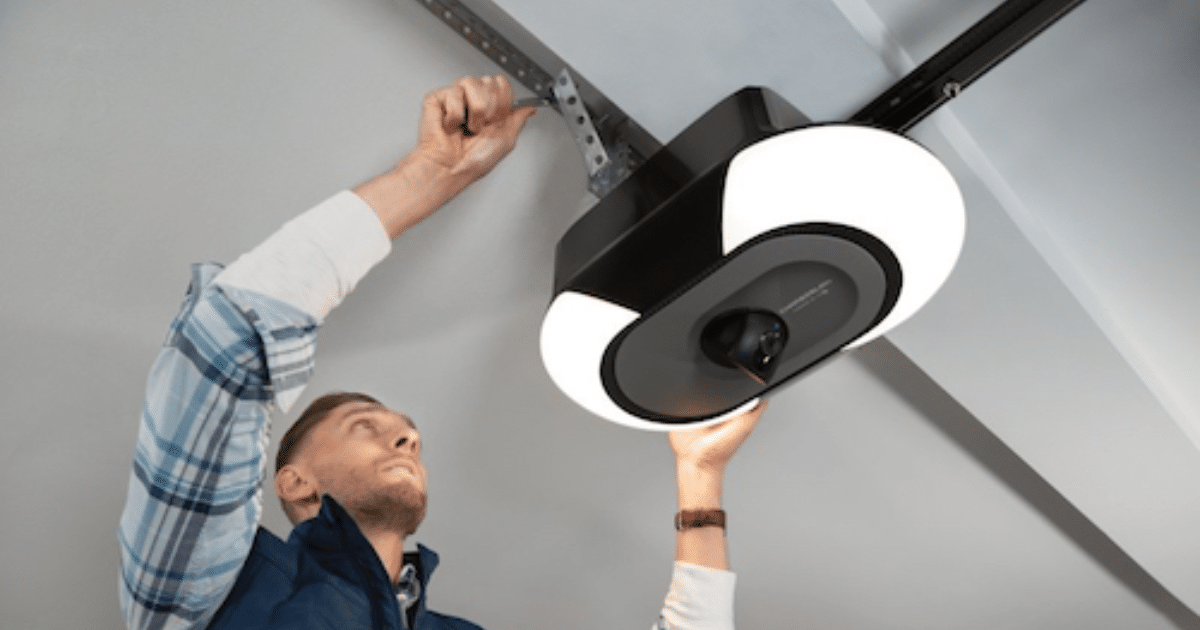
Routine maintenance plays an important role in keeping a garage door opener operating reliably. Paying attention to small changes in how the door moves can help identify issues early.
Helpful maintenance habits include:
- Keeping the safety sensor area clear
- Cleaning dust from the opener and surrounding hardware
- Lubricating rollers, hinges, and moving parts
- Scheduling periodic professional inspections
Keep Your LiftMaster Opener Running Smoothly
LiftMaster openers are designed for long-term performance, but regular use and environmental conditions can eventually lead to system issues. Addressing warning signs early helps protect the garage door system and prevents additional strain on the opener motor.
If your LiftMaster opener has started making unusual sounds, moving slowly, or triggering warning alerts, Garage Door Wizard can help restore smooth and reliable operation. Contact us or give us a call today to schedule a professional garage door inspection and keep your opener system operating safely.