
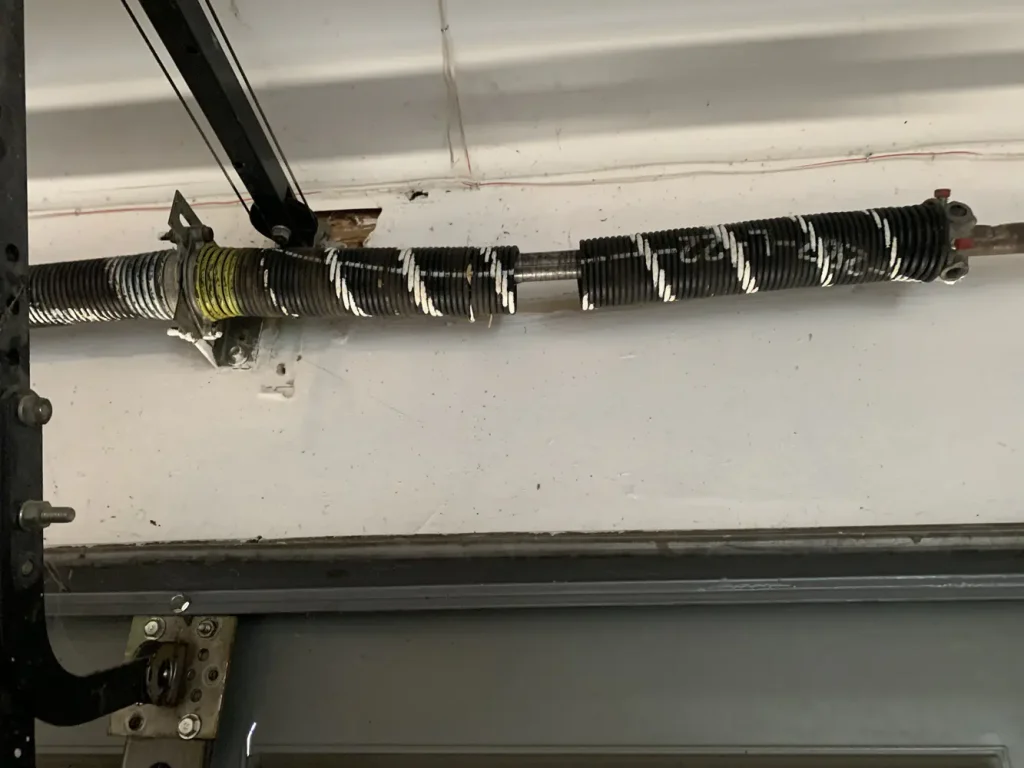
When a broken garage door spring occurs, timing quickly becomes a major concern. Homeowners want to know how long the door may be unusable, how fast repairs can be completed, and whether daily routines will be disrupted. In most cases, garage door spring replacement is completed the same day, but the exact time depends on factors such as door size, spring type, and whether related parts were affected when the spring failed.
In Cypress, TX, garage doors are heavily used year-round, and temperature swings can accelerate spring wear. During service, an expert confirms the correct spring sizing, removes the damaged spring, restores proper balance, and checks cables, drums, bearings, and door travel before returning the system to normal use. The total time can vary depending on the extent of additional wear, but the goal is always to restore smooth, stable operation as efficiently as possible after a broken garage spring.
How Long Does Spring Replacement Usually Take?
In many standard situations, garage door spring replacement can be completed in about one to two hours once the technician is on site. This includes removing the broken spring, installing the new spring, restoring proper tension, and testing the door for smooth and safe operation.
However, that time frame can change depending on:
- The type of spring system
- The size and weight of the door
- Whether one spring or two springs are being replaced
- The condition of cables, drums, and hardware
- Whether the door is stuck open, closed, or crooked
- Whether emergency stabilization is needed first
The key point is that spring replacement is not just about installing a new part. It also involves balancing the door and confirming that the entire system moves correctly.
If you are still confirming whether your issue is spring-related, read How Do You Know You Need Garage Door Spring Repair?.
Why Garage Door Spring Replacement Is Not Instant
From the outside, spring replacement can look simple. In reality, springs are under high tension, and replacing them safely requires a careful, step-by-step process. Rushing the job can lead to imbalance, noisy operation, or repeated problems.
A proper replacement includes:
- Confirming the correct spring size for the door
- Safely removing tension from the old spring
- Installing the new spring correctly
- Restoring the correct amount of tension
- Checking door balance
- Testing full door travel multiple times
Each of these steps takes time, but skipping them can shorten the life of the new spring and strain other door parts.
For a clear breakdown of the warning signs that point to spring failure and when to stop using the door, read What Are the Signs of Broken Garage Door Springs?.
Factors That Affect How Long Spring Replacement Takes
No two garage doors are exactly the same. Several factors influence how long the service visit will take.
Spring Type: Torsion Vs Extension
Torsion springs, mounted above the door, are the most common on modern garage doors. Replacing torsion springs usually takes longer than replacing extension springs because:
- Tension must be released and applied carefully
- The shaft, drums, and bearings are checked
- Balance must be fine-tuned after installation
Extension springs, mounted along the sides, may take slightly less time, but they still require careful handling and balance checks to ensure even lifting.
One Spring Vs Two Springs
Some doors use a single spring, while others use a pair. If only one spring breaks in a two-spring system, many technicians evaluate both springs because the second spring may be at a similar wear level.
Replacing two springs instead of one can add time, but it often helps restore better balance and reduce the chance of another breakdown soon after.
Door Size And Weight
Heavier doors take longer to balance correctly. Insulated doors, doors with windows, and wide double doors require more precise spring matching and tension adjustment. Even small differences in door weight can change how long fine-tuning takes.
Cable And Drum Condition
When a spring breaks, cable tension can change suddenly. If a cable slips off a drum or shows wear, it may need adjustment before the door can be tested safely. That adds time but helps prevent future issues.
Door Position When Service Begins
The starting position of the door matters:
- A closed door is usually the easiest starting point
- A door stuck halfway open may need stabilization before work begins
- A crooked door may require cable realignment before spring work
Stabilizing the door safely always comes before spring replacement and can add time if the door is unstable.
What Happens During A Typical Spring Replacement Visit
Understanding the process helps set realistic expectations for timing.
System Inspection And Confirmation
The technician starts by confirming:
- Spring type and failure
- Door size and weight
- Hardware condition
- Cable alignment
- Track position
This inspection ensures the replacement spring will match the door correctly.
Door Stabilization
If the door is not fully closed or is leaning, it must be secured so it cannot move unexpectedly. This step is critical for safety and can add time if the door is unstable.
Spring Removal
The broken or worn spring is safely unloaded and removed. With torsion systems, this involves carefully managing stored tension.
New Spring Installation
The correct spring is installed and secured. Hardware connections are checked to ensure everything is seated properly.
Tension Adjustment And Balance Testing
This is one of the most important steps. The spring is adjusted so the door:
- Lifts smoothly
- Stays near mid-height when disconnected
- Does not slam or drift
- Moves evenly on both sides
Fine-tuning the balance takes time but prevents opener strain and uneven wear.
Full Travel And Safety Testing
The door is cycled multiple times to confirm smooth travel, consistent speed, and stable stopping points. The opener is reconnected and tested under normal operation.
A Medium guide also highlights tension adjustment and final testing as core steps, which is why balance work can take longer on heavier or more complex doors.
Emergency Garage Door Spring Replacement Timing
Emergency garage door spring repair often involves more than just replacing the spring. If the door is:
- Stuck open
- Crooked
- Blocking access
- Unsafe to stand under
The technician may need to secure or lower the door before replacement can begin. Emergency visits may take longer because safety and stabilization come first.
If you are dealing with a door that cannot move safely, it is better to allow extra time for proper handling rather than rushing the repair.
How Long Will The Garage Be Unusable?
In most cases, the garage is unusable until spring replacement is complete. Once the springs are replaced and tested, the door can usually return to normal use immediately.
If your door is closed and secure, it may remain closed until service. If it is open and unstable, securing it is part of the service process.
If you are deciding whether it is safe to move the door at all, read Can You Open A Garage Door With A Broken Spring?.
Why Proper Spring Matching Affects Time
Spring replacement is not just about installing a new spring. The spring must match the door’s weight and height. If the wrong spring is used:
- The door may feel heavy or shoot upward
- The garage door opener may strain
- Balance adjustments may take longer
- The spring may wear out sooner
Using the correct spring from the start helps keep service time predictable and reduces the need for follow-up adjustments.
What Can Slow Down A Spring Replacement
Certain issues can extend service time:
- Bent or worn hardware
- Frayed or misaligned cables
- Track alignment problems
- Bearing wear
- Previous improper repairs
While these issues add time, addressing them during spring replacement helps prevent repeat breakdowns and improves long-term door performance.
How To Prepare For A Faster Service Visit
You can help keep the appointment efficient by:
- Clearing the area around the door
- Keeping vehicles away from the door opening
- Keeping pets and kids away from the workspace
- Sharing what you noticed (bang sound, heavy door, crooked movement)
- Letting the technician know if the door is stuck open or halfway
Clear access and good information help reduce delays.
NAHB’s routine home maintenance guidance also emphasizes regular home system checks, which can help reduce surprise breakdowns and urgent repair situations.
Why Rushing Spring Replacement Is A Bad Idea
It can be tempting to want the fastest possible repair, but rushing spring replacement can cause:
- Poor door balance
- Increased opener strain
- Noisy operation
- Uneven cable tension
- Shortened spring life
Taking the time to balance and test the door correctly saves time later by preventing repeat service calls.
What To Expect After Spring Replacement Is Complete
Once spring replacement is finished, the door should:
- Open smoothly without hesitation
- Stay balanced when lifted manually
- Close at a controlled speed
- Sounds quieter than before
- Put less strain on the opener
If the door still feels heavy or uneven after replacement, that usually means balance or hardware issues need further attention.
Why Timing Can Vary From Door To Door
Two doors on the same street can have different service times because of:
- Door construction
- Insulation level
- Spring setup
- Usage history
- Past maintenance or lack of it
That is why estimates are often given as ranges rather than exact minute counts.
Getting Back To Normal As Quickly And Safely As Possible
A broken spring can interrupt routines, trap vehicles, and create stress. While most garage door spring replacements are completed in a single visit, the real goal is not speed alone. The goal is restoring safe, balanced door movement that protects the opener and hardware long after the repair is done.
Garage Door Wizard helps Cypress, TX homeowners restore smooth, reliable garage door operation with properly matched springs, careful balance testing, and clear expectations from start to finish. Contact us or give us a call.