
A garage door problem rarely gets better on its own. Left unaddressed, even a minor issue can develop into a safety hazard that puts your family, vehicle, and home at risk. The good news is that some garage door safety concerns can be addressed by homeowners with basic tools and a careful approach, while others require a trained garage door repair technician to handle them safely.
This guide covers the most practical steps homeowners in Cypress, TX can take when they spot a garage door safety hazard, what to handle on their own, and when calling a professional is the only right option.

Start With a Full Garage Door Safety Assessment
Before taking any action, understanding the full scope of what you are dealing with saves time and prevents making the situation worse.
How to Assess Your Garage Door From Top to Bottom
A thorough visual check gives you a clear starting point before deciding on the next steps. Here is what to cover during your assessment:
- Start at the top of the door and work downward, checking the springs, cables, and pulleys for visible damage, fraying, or unusual positioning.
- Move to the tracks on both sides and look for bends, gaps, or debris that could be causing resistance during operation.
- Test the auto-reverse feature by placing a rolled-up towel in the door’s path and pressing close to confirm the door stops and reverses.
What to Note Before You Take Action
Documenting what you find during your assessment helps when speaking to a technician and avoids missing something important. Here is what to record:
- Which specific components show visible wear, damage, or unusual behavior during operation
- How long the issue has been present and whether it has gotten worse over time.
- Any sounds, movements, or responses that are different from how the door normally operates.
- Whether the problem happens consistently or only under certain conditions, such as temperature or humidity
For a detailed list of the specific hazards to look for during your assessment, read our guide on What Are Common Safety Issues With Garage Doors? covers every major risk area.
Garage Door Safety Hazards You Can Address Yourself
Not every garage door safety issue requires a professional. There are several areas where a careful homeowner can make a real difference with minimal risk. However, if anything feels unsafe or beyond your comfort level at any point, do not hesitate to call for emergency garage door service right away.
Cleaning and Realigning Sensors
Garage door sensor problems are one of the most common issues homeowners can resolve on their own. Here is how to approach it:
- Wipe both sensor lenses with a clean soft cloth to remove dust, dirt, and spider webs that are common in Cypress, TX garages.
- Check that both sensors are pointing directly at each other by confirming that both indicator lights are solid rather than blinking.
- Loosen the mounting bracket slightly on the misaligned sensor, adjust its angle until the light turns solid green, then retighten the bracket.
If cleaning and realignment do not resolve the issue and the sensor lights remain irregular, the problem may be in the wiring or the sensor units themselves, which should be handled by a technician.
Lubricating Moving Parts
Regular lubrication is one of the most effective and straightforward garage door maintenance tasks a homeowner can do. Here is what to lubricate and how:
- Apply a silicone or lithium-based lubricant to the rollers, hinges, and the top of the torsion spring without oversaturating.
- Wipe the inside of the tracks clean with a dry cloth before applying a light coat of lubricant to help rollers move smoothly.
- Avoid using WD-40 or heavy grease, as both attract debris and cause buildup that accelerates wear on moving parts.
Lubricating moving parts every three to six months as part of a regular garage door maintenance routine significantly extends the life of rollers, hinges, and springs.
Replacing Weather Seals
Worn weather seals are a low-risk replacement that most homeowners in Cypress, TX can handle without professional help. Here is the basic process:
- Remove the old bottom seal by sliding it out of the retainer channel along the bottom of the door.
- Choose a replacement seal that matches the width of your door and the profile of your existing retainer.
- Slide the new seal into the retainer channel and trim any excess length with a utility knife for a clean fit.
Side and top seals are more involved and may require ladder work and frame adjustments. If the door frame itself is damaged or warped, have a technician assess the situation before proceeding.
Garage Door Safety Hazards That Require a Professional
Some garage door safety hazards carry enough risk that attempting to resolve them without professional training and tools can cause serious injury or make the problem significantly worse.
Broken or Worn Springs
Spring repair is one of the most dangerous tasks in garage door maintenance and should never be attempted without professional equipment. Here is why:
- Torsion springs store an enormous amount of energy and release it instantly when they snap, which can cause serious injury to anyone in the immediate area.
- Extension springs on both sides of the door must be replaced in pairs to maintain proper balance and prevent uneven stress on the door system.
- Improper spring installation leads to a door that is unbalanced, difficult to operate, and at higher risk of sudden failure.
According to Angi, a broken spring on a garage door is one of the repair situations where professional service is most strongly recommended due to the tension and risk involved.
Frayed or Snapped Cables
Cable repairs fall into the same category as spring repairs when it comes to risk level. Here is what homeowners need to understand:
- Garage door cables are under significant tension at all times and can snap back forcefully when they are cut or removed incorrectly.
- Replacing a cable requires releasing spring tension first, which introduces the same risks associated with spring repair.
- A cable that is installed with incorrect tension or wrapped improperly around the drum will cause the door to operate unevenly and wear out other components faster.
Garage Door Track Realignment
Track repairs are another area where professional involvement is strongly recommended. Here is why attempting it without proper training creates additional risk:
- Forcing a bent track back into shape without proper tools can crack the metal or worsen the bend, making the track unusable.
- Track bolts that are overtightened or undertightened during realignment cause the door to bind or pull away from the wall over time.
- A track that appears only slightly misaligned may have a more serious underlying cause such as a broken bracket or a damaged wall mount that requires full inspection.
How to Respond When a Hazard Appears Suddenly
Some garage door safety hazards do not develop gradually. They appear without warning and require an immediate and calm response.
What to Do When the Door Falls Off the Track
A door that has come off its tracks is one of the more alarming situations a homeowner can face. Here is how to respond safely:
- Do not attempt to operate the door using the opener or by pulling it manually, as this can cause further damage or injury.
- Clear the area around the door and keep children and pets away until the situation has been assessed.
- Call a garage door repair service as soon as possible and describe the situation so the technician arrives prepared.
Understanding why these situations develop helps prevent them from happening again. Our article on Why Garage Doors Become Dangerous Over Time explains the gradual wear patterns that lead to sudden failures like this one.
What to Do When a Spring Breaks
A broken spring is often announced by a loud bang, followed by a door that feels extremely heavy or will not stay open. Here is how to handle it:
- Stop using the door immediately and switch to manual operation only if absolutely necessary to exit or secure the garage.
- Do not attempt to inspect or touch the spring directly, as broken spring ends can be sharp and the remaining tension unpredictable.
- Contact a technician right away and avoid parking vehicles in the garage until the spring has been professionally replaced.
What to Do When the Opener Stops Working Mid-Cycle
An opener that fails mid-cycle can leave the door stuck in an open or partially open position. Here is what to do:
- Use the manual release cord to disconnect the door from the opener and operate it by hand to close and secure the garage.
- Check the power supply, remote batteries, and wall button before assuming the opener itself has failed.
- If the opener runs but the door does not move, the issue is likely mechanical and a technician should assess the drive system and motor.
Building a Long-Term Plan for a Safer Garage Door
Resolving a hazard once is not enough if the underlying habits that allowed it to develop remain unchanged. Building a consistent maintenance routine is what keeps garage door safety issues from coming back.
What a Long-Term Maintenance Routine Should Include
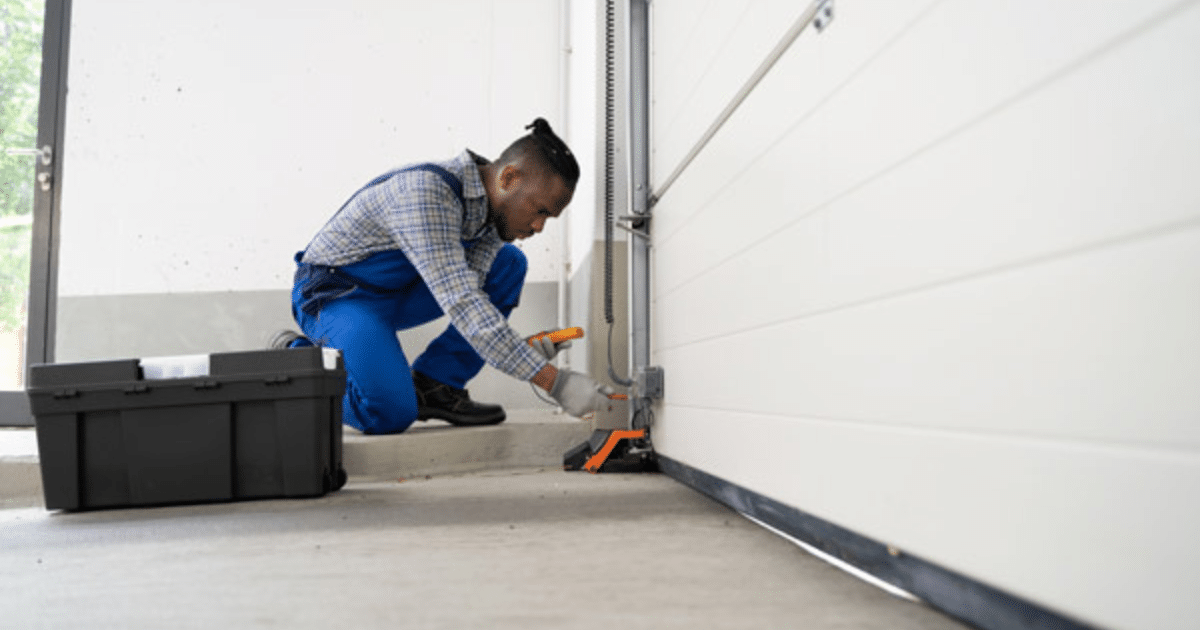
A sustainable approach to garage door safety covers both regular self-checks and periodic professional inspections. Here is what to build into your routine:
- Perform a visual walk-around inspection every three months, checking hardware, seals, cables, and tracks for visible changes.
- Lubricate all moving parts including rollers, hinges, and springs every three to six months using the correct lubricant for each component.
- Test the auto-reverse feature monthly by placing an object in the door’s path and confirming it stops and reverses every time.
- Schedule a professional garage door safety inspection at least once a year to catch issues that are not visible during a basic homeowner check.
This Old House notes that a well-maintained garage door system covered in their overview of all about garage doors can last significantly longer when homeowners commit to consistent upkeep.
When to Upgrade Instead of Maintain
At some point, maintaining an aging garage door system becomes less cost-effective than replacing key components or the entire door. Here is how to recognize that point:
- The same components are being repaired repeatedly within a short period of time.
- The cost of repairs is approaching or exceeding the cost of replacement parts or a new system.
- The door or opener lacks safety features that are now considered standard for household use.
Knowing when to make that call is something our guide on When Should You Repair or Replace Your Garage Door Safely? addresses directly, with a clear breakdown of the factors that point toward repair versus full replacement.
The Right Help Makes All the Difference
Resolving garage door safety hazards is about knowing your limits as much as it is about knowing the right steps. Homeowners in Cypress, TX can handle sensor cleaning, lubrication, and basic seal replacement with confidence. But springs, cables, tracks, and anything involving mechanical tension should always be left to a trained professional.
Garage Door Wizard is ready to help with honest assessments, reliable garage door repair services, and the kind of workmanship that keeps your door running safely for years to come. Contact us or give us a calll today to schedule your inspection or repair visit.