
Most homeowners assume their garage door is safe as long as it opens and closes without issue. But the truth is, danger does not always announce itself with a loud noise or a sudden breakdown. In many cases, a garage door becomes a serious safety hazard gradually, through years of wear, overlooked maintenance, and the slow deterioration of parts that carry enormous amounts of tension and weight every single day.
Understanding why garage doors become dangerous over time is the first step toward keeping your home and your family protected. Knowing when to schedule a garage door repair before small issues escalate into serious risks is just as important as the inspection itself. For homeowners in Cypress, TX, where heat, humidity, and year-round use accelerate wear on mechanical components, this knowledge is especially important.
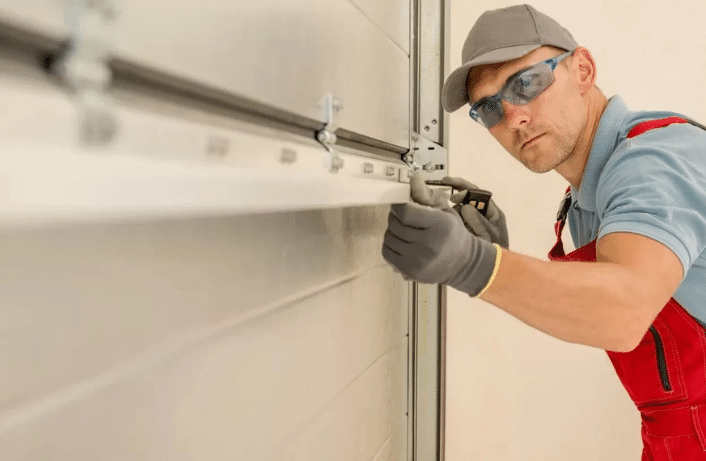
Age Is the Silent Enemy of Garage Door Safety
A garage door that has been in service for years carries a history of stress on every component. Age alone does not break a door, but it sets the stage for everything else that does.
How Years of Use Wear Down Every Component
Every time your garage door opens and closes, it puts mechanical stress on springs, cables, rollers, hinges, and tracks. Over thousands of cycles, that stress adds up. Here is what happens as a garage door ages:
- Springs lose their tension gradually, making the door harder to balance and increasing the risk of sudden failure.
- Cables develop micro-frays over time that are not visible until the damage becomes severe.
- Rollers wear down and create friction that puts extra strain on the tracks and the opener motor.
Why Older Doors Need More Attention
An older garage door is not automatically unsafe, but it does require more consistent attention than a newer one. Here is what changes as a door gets older:
- Parts that were installed together tend to fail around the same time, meaning one visible problem often signals others nearby.
- Older openers may lack modern safety features like auto-reverse and rolling code technology.
- Hardware that has never been replaced starts to show cumulative fatigue that routine lubrication can no longer address.
Scheduling a professional garage door safety inspection at least once a year becomes more critical the older the system gets.
For a full breakdown of the specific issues that develop as doors age, read our guide on What Are Common Safety Issues With Garage Doors? covers each hazard in detail.
How the Weather in Cypress, TX Speeds Up Deterioration
Climate plays a bigger role in garage door wear than most homeowners realize. In Cypress, TX, the combination of heat, humidity, and seasonal storms creates conditions that are particularly hard on garage door components.
The Effects of Heat and Humidity on Mechanical Parts
Garage doors in hot and humid climates face a set of challenges that doors in milder regions simply do not. Here is how the Cypress, TX, climate affects key components:
- High humidity accelerates rust and corrosion on metal springs, cables, and tracks, reducing their effective lifespan.
- Extreme heat causes rubber weather seals to dry out and crack, leaving gaps that allow moisture and pests inside.
- Repeated expansion and contraction of metal parts due to temperature swings loosen fasteners and shift alignment over time.
Staying on top of garage door maintenance in a climate like Cypress, TX, is not just recommended. It is necessary to keep the door operating safely year after year.
Seasonal Checks That Make a Real Difference
Building a habit of checking your garage door at the start of each season helps catch weather-related wear before it becomes a safety issue. Here is what to include:
- Inspect weather seals along the bottom and sides for cracking, shrinking, or separation after summer heat.
- Check metal hardware, including hinges, brackets, and track bolts, for surface rust or loosening after periods of heavy rain.
- Test the door balance by disconnecting the opener and lifting the door manually to check if it stays in place at mid-height.
- Listen for new sounds during operation that were not present during the previous season.
The Role of Deferred Maintenance in Garage Door Accidents
Most garage door accidents do not happen because of a manufacturing defect or a freak event. They happen because maintenance was skipped for too long and small problems were allowed to grow into dangerous ones.
What Happens When Small Issues Go Ignored
A garage door in poor condition does not fail all at once. It deteriorates in stages, and each ignored problem adds risk to the next. Here is how deferred maintenance leads to accidents:
- A loose roller that is not replaced puts extra pressure on the track, eventually causing misalignment or a complete derailment.
- A fraying cable that goes uninspected snaps under load, often causing the door to fall or tilt suddenly.
- A worn spring that is not replaced on schedule breaks under tension, releasing stored energy in a way that can damage the door, the vehicle, or injure anyone nearby.
The DASMA guidelines on garage door opener safety highlight how regular testing and maintenance of opener systems directly reduces the risk of accidents caused by mechanical failure.
The True Cost of Skipping Maintenance
Deferred garage door maintenance almost always costs more in the long run. Here is why acting early saves money and prevents injuries:
- A spring replacement caught at the end of its service life costs significantly less than an emergency repair after a sudden failure.
- Track realignment addressed early prevents damage to rollers, cables, and the opener motor that accumulates when misalignment goes uncorrected.
- Routine lubrication of moving parts extends component life and reduces the frequency of part replacements over time.
Our article on How to Resolve Garage Door Safety Hazards at Home walks through the practical steps homeowners can take when they identify issues during routine checks.
Spring Fatigue and Why It Is One of the Most Dangerous Forms of Wear
Of all the components in a garage door system, springs carry the most tension and pose the greatest risk when they fail. Understanding how spring fatigue develops helps homeowners recognize when a replacement is overdue and when to call for emergency garage door service before the situation becomes critical.
How Garage Door Springs Deteriorate Over Time
Springs are rated for a specific number of cycles, and every open and close counts toward that total. Here is how fatigue sets in:
- Standard torsion springs are rated for around 10,000 cycles, after which the metal becomes more susceptible to sudden fracture.
- Springs in homes with high garage door usage, such as households that use the garage as the primary entry point, can reach that threshold well before the 7 to 10 year average.
- Corrosion from humidity in Cypress, TX, weakens the spring coil structure from the outside in, accelerating failure even before the cycle limit is reached.
According to The Spruce, replacing garage door springs before they reach full failure is one of the most effective ways to prevent sudden and dangerous door drops.
Signs That Spring Fatigue Is Setting In
- The door feels noticeably heavier than usual when lifted manually with the opener disconnected.
- The door does not stay at mid-height when held in place manually, indicating the spring can no longer hold the tension.
- Visible gaps or separation in the spring coil are present when you inspect above the door.
- The door moves unevenly, with one side rising faster or higher than the other during operation.
Do not wait for a complete spring failure. If any of these signs are present, contact a qualified technician right away. Spring repairs involve extreme tension and should never be attempted without professional tools and training.
Cable Wear and the Slow Breakdown Nobody Notices
Garage door cables are one of the most overlooked components in a garage door system. They operate quietly and rarely show obvious signs of trouble until the damage is already serious.
Why Cables Deteriorate Without Warning
Garage door cables take on the full weight of the door in coordination with the springs. Over time, the stress takes a toll in ways that are not always easy to spot. Here is how cable wear develops:
- Repeated coiling and uncoiling of the cable around the drum causes individual wire strands to fatigue and break one at a time.
- Exposure to moisture and humidity causes the outer strands to rust first, masking the extent of internal deterioration.
- Cables that were installed at the same time as other components typically reach the end of their service life around the same time, making a full system check important when any one part shows wear.
How to Identify Cable Wear Before It Becomes a Crisis
- One side of the door appears lower or moves unevenly compared to the other side.
- Small wire strands are visibly frayed or splayed outward from the main cable body.
- The cable appears slack or looped loosely around the bottom bracket instead of sitting taut.
- The door makes an irregular grinding or snapping sound during operation that was not present before.
Cable replacement should only be handled by a qualified garage door technician. The tension in the cable system makes this one of the more dangerous repairs to attempt without proper training and equipment.
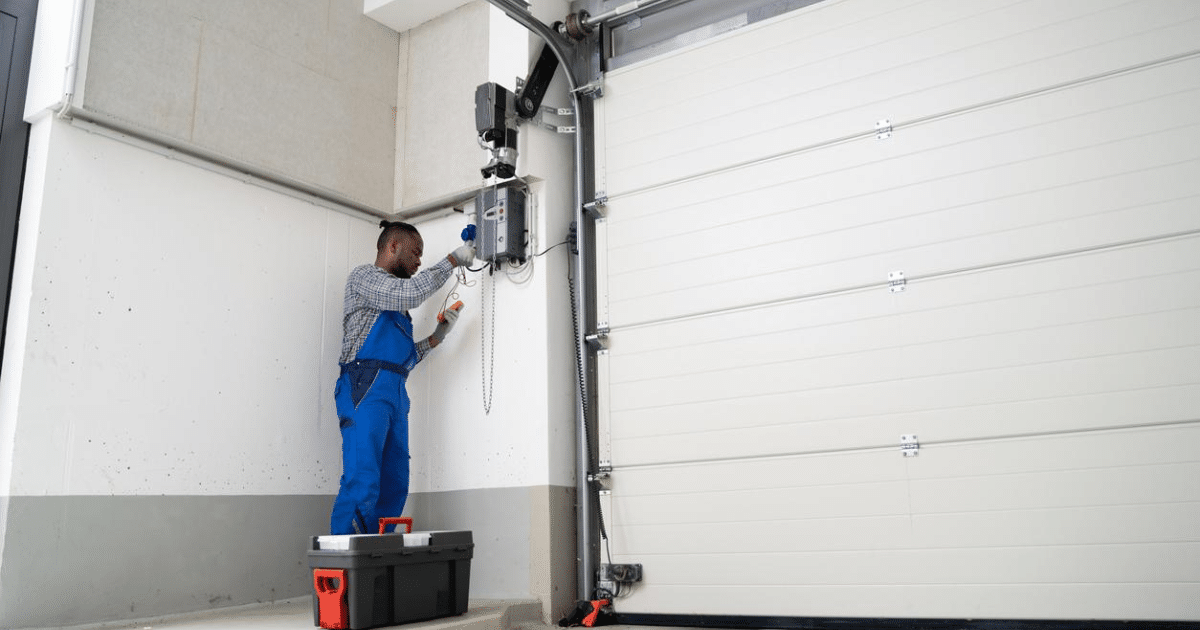
How Opener Age Contributes to Long-Term Safety Risk
The garage door opener is the brain of the entire system. As it ages, it becomes less reliable and may lose the safety features that protect your household from accidents.
What Degrades in an Aging Opener
Openers are built to last, but they do have a lifespan. Here is what changes as an opener gets older:
- The motor weakens over time, causing the opener to struggle with the door’s weight and increasing the risk of mid-cycle failure.
- Older circuit boards become less responsive, leading to delayed commands or doors that operate unpredictably.
- Safety sensors on aging openers may drift out of calibration without a visible indication, leaving the auto-reverse function unreliable.
When an Opener Becomes a Liability
- The door opens or closes at irregular speeds or stops mid-cycle unexpectedly.
- The opener runs but the door does not move, indicating motor or drive system failure.
- The auto-reverse feature fails testing, meaning the door does not stop or reverse when an object is placed in its path.
- The opener is more than 10 to 15 years old and lacks modern safety features.
An opener that cannot reliably stop the door when needed is a safety risk that should be addressed without delay. Knowing whether to repair or replace is a decision worth making carefully. Our guide on When Should You Repair or Replace Your Garage Door Safely? breaks down the key factors that help homeowners make that call confidently.
Protecting Your Home Before the Problem Gets Worse
Understanding why garage doors become dangerous over time puts you in a better position to prevent the accidents that catch most homeowners off guard. Age, climate, deferred maintenance, and worn components each play a role, and in Cypress, TX, the conditions make staying proactive more important than ever.
Garage Door Wizard specializes in helping homeowners identify wear before it becomes a hazard. Whether your door needs a full inspection, a spring replacement, or an opener upgrade, our technicians are here to give you an honest assessment and reliable garage door repair services you can count on. Contact us or give us a call today to schedule your visit.