
Every garage door reaches a point where a repair is no longer enough. For some homeowners, that moment comes after a single major failure. For others, it arrives after years of mounting garage door repair costs and growing frustration with a system that never seems to stay reliable. Either way, the decision between repairing and replacing a garage door is one that carries real consequences for safety, budget, and long-term peace of mind.
For homeowners in Cypress, TX, where heat, humidity, and year-round use accelerate wear on every component, making the right call at the right time matters more than most people realize. This guide walks through the key signs, cost considerations, and garage door safety factors that point clearly toward repair or full replacement.
Understanding the Repair Versus Replace Decision
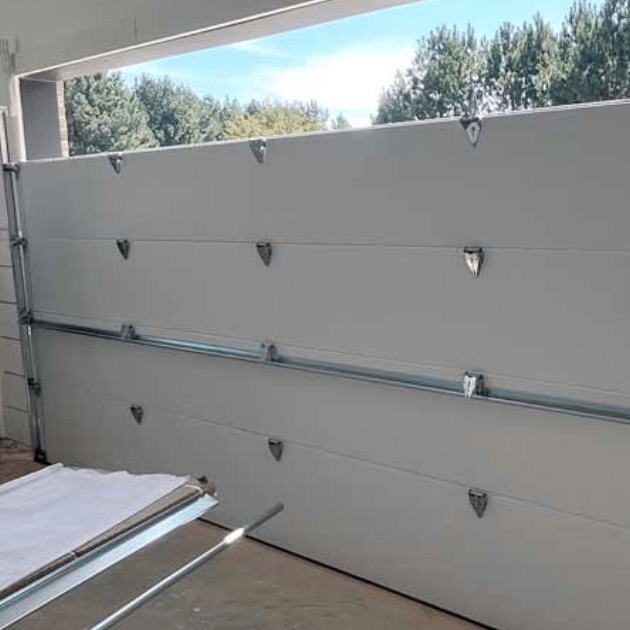
The repair versus replace question is not always straightforward. It depends on the age of the system, the nature of the problem, the cost involved, and the safety risks of continuing to use a door that is past its best condition.
When Repair Is the Right Choice
Not every garage door problem calls for a full replacement. Here is when a targeted repair makes the most sense:
- The door is less than 10 years old, and the problem is isolated to a single component, such as a spring, sensor, or roller.
- The cost of the repair is significantly lower than the cost of a new door and installation combined.
- The door structure itself is sound, with no warping, cracking, or panel damage that affects how the door seals and operates.
For a full picture of the specific issues that commonly lead to repair decisions, our guide on What Are Common Safety Issues With Garage Doors? breaks down each hazard and what it means for the door’s overall condition.
When Replacement Makes More Sense
There are situations where repair is the least practical and less safe option. Here is when replacement deserves serious consideration:
- The door is more than 15 to 20 years old and multiple components are showing signs of wear at the same time.
- The cumulative cost of recent repairs is approaching or exceeding the cost of a new door and opener system.
- The door lacks modern safety features that cannot be added through upgrades or part replacements alone.
- Structural damage to the door panels or frame has compromised how the door fits, seals, and operates safely.
Key Signs That Your Garage Door Needs Immediate Attention
Some situations remove the repair versus replace debate entirely because the door is no longer safe to use in its current condition. Recognizing these signs quickly is what prevents accidents.
Signs That Point to an Urgent Safety Issue
A garage door that is unsafe cannot wait for a scheduled appointment. These situations call for emergency garage door service right away. Here is what demands immediate action:
- The door has come off its tracks or is visibly hanging at an uneven angle after a failed cycle.
- A spring or cable has snapped, leaving the door unable to support its own weight without mechanical assistance.
- The auto-reverse feature fails testing, meaning the door does not stop or reverse when an object is placed in its path.
Understanding how these urgent situations develop over time is something our article on Why Garage Doors Become Dangerous Over Time explains in detail, covering the gradual wear patterns that lead to sudden failures.
Signs That Point to a Growing Problem
Not every warning sign is an immediate emergency, but these signals should not be ignored for long. Here is what to watch for:
- The door has become noticeably louder during operation, with grinding, scraping, or banging sounds that were not present before.
- The door moves unevenly, with one side rising faster or higher than the other during a normal cycle.
- The opener struggles to lift the door, runs longer than usual, or reverses mid-cycle without any obstruction present.
- The door no longer closes flush with the ground, leaving visible gaps along the bottom or sides even when fully shut.
How to Evaluate the True Cost of Repair Versus Replacement
Cost is one of the most important factors in the repair versus replace decision, but it needs to be evaluated carefully to give an accurate picture of what each option actually involves.
Counting the Full Cost of Repeated Repairs
A single repair that costs much less than a replacement can still be the wrong financial decision if the same components keep failing. Here is how to assess the true cost of staying in repair mode:
- Add up the total amount spent on garage door repairs over the past two to three years to see what ongoing garage door maintenance is actually costing.
- Consider whether the repairs have addressed root causes or only treated symptoms that are likely to return.
- Factor in the cost of inconvenience, including times the door has been unusable and the impact on daily household routines.
According to The Spruce, understanding common garage door problems and their typical repair frequency helps homeowners recognize when a pattern of recurring issues signals that replacement is the smarter long-term investment.
What Replacement Actually Costs Versus What It Delivers
Replacement is a larger upfront investment, but it comes with benefits that repeated repairs cannot provide. Here is what homeowners gain from a full replacement:
- A new door and opener system comes with updated safety features, including auto-reverse, rolling code technology, and battery backup as standard.
- New components start fresh on their service life, eliminating the overlapping wear patterns that develop when aging parts fail in sequence.
- Modern doors offer better insulation and sealing, which is particularly valuable for homeowners in Cypress, TX, where temperature management in the garage affects the whole home.
Average costs for garage door replacement vary depending on the door material, size, and opener chosen. Getting multiple quotes from qualified garage door repair services before committing to a replacement is always a practical step.
The Safety Factors That Should Drive the Decision
Beyond cost and age, garage door safety is the factor that should carry the most weight in any repair versus replace decision. A door that poses ongoing risk to your household is not worth preserving through repeated repairs.
Safety Features Your Current Door May Be Missing
Older garage doors and openers often lack protections that are now standard on newer systems. Here is what to check on your current setup:
- Auto-reverse functionality that stops and reverses the door when it detects an obstruction during closing.
- Photo-eye sensors that create an invisible beam across the door opening and trigger reversal if broken.
- Rolling code technology on the opener that generates a new access code with each use, preventing unauthorized entry.
- Battery backup that allows the door to operate safely during power outages without relying on the manual release.
When Safety Concerns Outweigh the Cost of Replacement
There are specific situations where garage door safety concerns make replacement the only responsible choice regardless of cost. Here is when safety alone should drive the decision:
- The auto-reverse feature cannot be restored through repair or recalibration and the opener is too old to be upgraded.
- The door has sustained structural damage from an impact or prolonged wear that affects how it seals and closes.
- Springs or cables have failed multiple times within a short period, indicating a systemic issue that individual part replacements are not resolving.
- The door poses a documented risk to children or pets in the household due to an unreliable sensor or reversal function.
Evaluating Your Garage Door by Component
Breaking the evaluation down by individual component helps homeowners get a clearer picture of what is worth repairing and what signals that the system as a whole needs replacing.
Cables and Springs
Garage door cables and springs are high-wear components that have a defined service life. Here is how to evaluate them:
- If springs or cables are being replaced for the second time on the same door, consider whether the door itself has outlived the practical value of continued investment.
- Both components should be inspected together since they work as a system, and wear on one typically means wear on the other is not far behind.
- Replacing springs and cables on a door that is structurally sound and otherwise well-maintained is a worthwhile repair that extends the door’s useful life significantly.
Tracks and Rollers
Tracks and rollers affect how smoothly and safely the door operates through every cycle. Here is what their condition tells you:
- Bent or damaged tracks that cannot be straightened without risking further damage are a strong signal that replacement of the track system is needed.
- Worn rollers are an inexpensive repair on their own, but rollers that keep wearing out prematurely suggest the tracks or door balance are causing excess friction.
- Track damage caused by a vehicle impact or falling object should be professionally assessed before assuming a simple repair will restore safe operation.
The Opener
The opener is often the deciding factor in whether to repair or replace the broader system. Here is how to evaluate it:
- An opener that is more than 10 to 15 years old and lacks modern safety features is worth replacing even if the door itself is in reasonable condition.
- An opener that fails repeatedly despite professional servicing is a sign that the unit has reached the end of its reliable service life.
- Upgrading to a modern opener on an otherwise sound door is one of the most cost-effective ways to significantly improve garage door safety without a full replacement.
Our article on How to Resolve Garage Door Safety Hazards at Home covers the practical steps homeowners can take when evaluating individual components and deciding what level of intervention each one requires.
Choosing the Right Replacement Door for Your Home
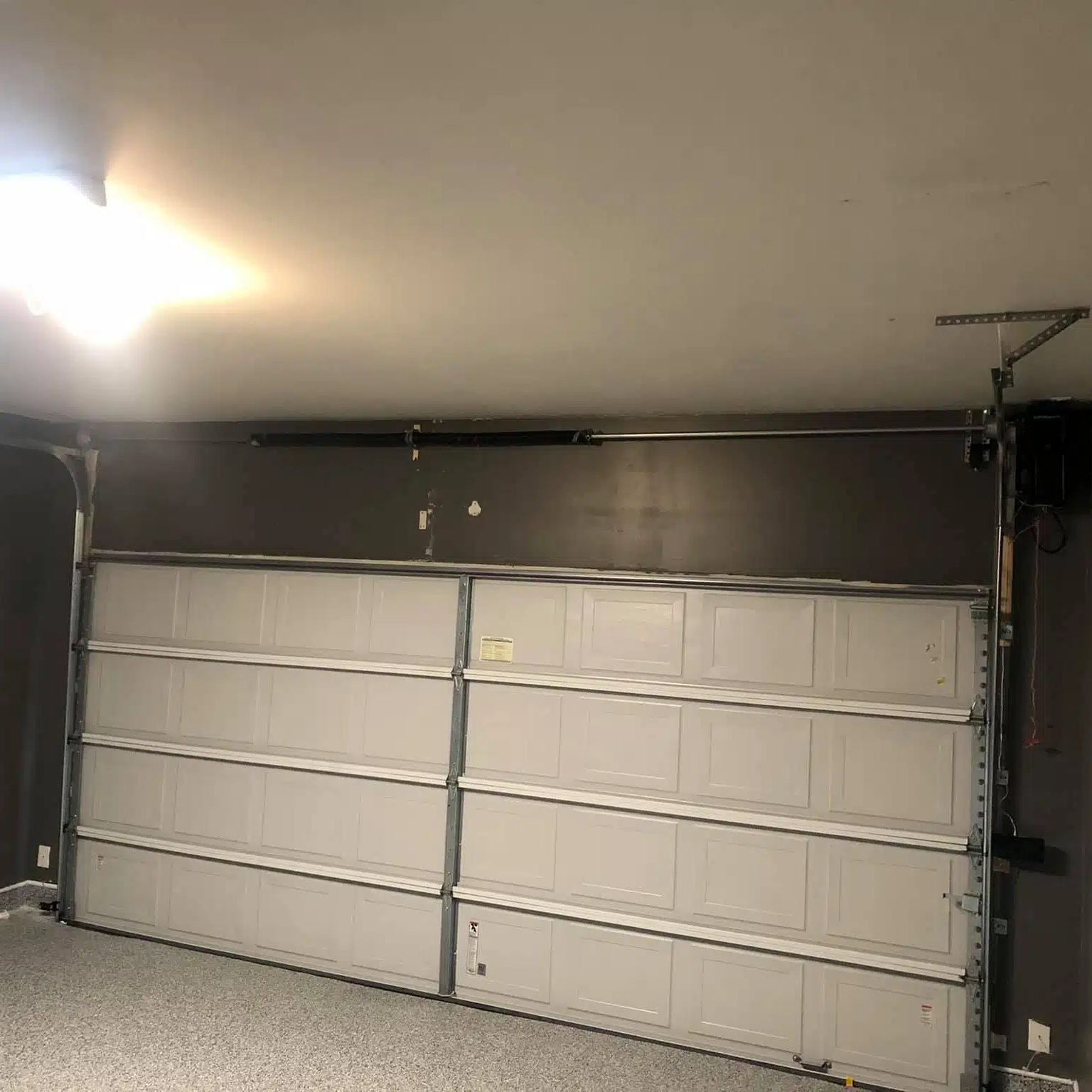
When replacement is the right decision, choosing the correct door for your home and climate makes a significant difference in long-term performance and safety.
What to Consider When Selecting a New Door
A new garage door is a long-term investment that should fit your home, your climate, and your household’s usage patterns. Here is what to factor into the decision:
- Choose a door material that suits the Cypress, TX climate, with steel and aluminum options offering strong corrosion resistance in humid conditions.
- Consider insulation value, especially if the garage is attached to the home or used as a workspace, since a well-insulated door reduces energy transfer significantly.
- Verify that the door weight is compatible with the opener you plan to use, as mismatched systems cause premature wear on both the opener and the spring assembly.
Bob Vila’s guide on how to choose a garage door provides a practical overview of the material, insulation, and style options available to homeowners making a replacement decision.
What to Expect From the Installation Process
A professional installation ensures that the new door is set up correctly from day one. Here is what the process typically involves:
- Removal of the existing door panels, tracks, springs, and opener hardware before the new system is installed.
- Calibration of the new opener, including force settings, travel limits, and auto-reverse sensitivity testing.
- A full operational test of the completed installation to confirm that all safety features are functioning correctly before the technician leaves.
Working with a qualified garage door repair service for the installation protects the warranty on new components and ensures the work meets current safety standards for residential garage doors.
Making the Call With Confidence
The repair versus replace decision does not have to feel overwhelming. When you know what to look for, what questions to ask, and what garage door safety standards your system should meet, the right answer usually becomes clear.
For homeowners in Cypress, TX who are unsure where their door stands, a professional inspection is the fastest way to get an honest assessment of whether repair or replacement is the smarter path forward.
Garage Door Wizard provides thorough inspections, transparent recommendations, and professional garage door repair services that Cypress, TX, homeowners can rely on. Whether your door needs a targeted repair or a full system replacement, our team is here to help you make the safest and most cost-effective decision for your home. Contact us or give us a call today to get started.