
A broken garage door cable is one of the most common problems homeowners in Cypress, TX run into. It can happen without much warning, and when it does, the entire door system stops working safely. The cable is a critical part of how your garage door moves. Without it functioning properly, the door can hang unevenly, slam shut, or stop working altogether.
This guide covers the key warning signs to watch for, the most common reasons cables fail, and the repair options available to you so you can make a confident, informed decision.
Warning Signs Your Garage Door Cable Is Broken
Catching a cable issue early makes a big difference. The longer you wait, the more likely other components will be affected too. Knowing these signs can also help you communicate the problem clearly when you call for garage door repair. Here are the five signs that point directly to a cable problem.

The Door Hangs Unevenly on One Side
- One side of the door sits noticeably lower than the other
- The door looks tilted or lopsided when closed or partially open
- The door may scrape against the track or frame when moving
- This usually means the cable on the lower side has snapped or come loose
Do not force the door open or closed when this happens. Doing so can damage the tracks, rollers, and door panels.
You Can See a Loose or Slack Cable
- A properly tensioned cable should always appear taut
- If you spot a cable lying on the floor, coiled near the bottom bracket, or hanging loosely, it has either snapped or slipped off the drum
- This is one of the easiest signs to spot with a quick visual check at the bottom corners of the door
The Door Stops or Slows Down Mid-Cycle
- The door hesitates, stutters, or stops before fully opening or closing
- Movement feels uneven or jerky compared to normal operation
- The opener motor may sound like it is working harder than usual
- Reduced cable tension is often the cause, and it puts extra strain on the motor and springs
You Heard a Loud Pop or Snap
- A sudden loud noise from the garage while the door was moving is a clear red flag
- That sound typically means a cable snapped or a spring broke
- Both situations require a professional inspection before the door is used again
- Do not ignore this, even if the door appears to still be functioning
The Door Dropped Faster Than Normal or Slammed Shut
- A healthy garage door lowers at a slow, controlled pace
- If the door fell quickly or hit the ground hard, it likely lost cable tension on one or both sides
- This is a serious safety concern for anyone standing near the door
If you want to understand how long your cable system should last before these problems start, read How Long Do Garage Door Cables Last? for a full breakdown.
Common Causes of a Broken Garage Door Cable
Knowing what leads to cable failure helps you spot trouble early and avoid emergency repairs. These are the six most common reasons cables break.
Normal Wear and Tear
- Garage door cables go through thousands of open-and-close cycles every year
- Over time, the individual steel strands begin to fray and weaken
- Eventually, the cable reaches the end of its usable life and snaps
- This is expected and not a sign of a defective product
Rust and Corrosion
- Moisture and humidity cause the steel cable to corrode over time
- Corroded cables become brittle and are far more likely to snap under normal load
- Homeowners in Cypress, TX, should check for rust regularly, especially if the garage is not climate-controlled
- Surface rust that goes unaddressed will eventually reach the inner cable strands
Incorrect Cable Tension
- If the cable tension is set too high or too low during installation or after a spring replacement, it creates uneven stress
- One side takes more load than the other, which causes faster wear on the overloaded cable
- This is a common issue when repairs are done without proper tools or experience
Drum Misalignment
- The cable winds around a drum located at the top corner of the door
- If the drum shifts or is installed off-center, the cable does not wind evenly
- Uneven winding leads to fraying, kinking, or the cable slipping off entirely
- A misaligned drum is easy for a trained technician to identify and correct
A Broken Torsion Spring
- The torsion spring and cable work together to support the full weight of the door
- When the spring breaks, the cable suddenly carries more load than it was designed for
- This is one of the fastest ways to damage or snap a cable
Failed Cable Anchor Point
- Each cable is secured to an anchor bracket at the bottom corner of the door
- If that bracket corrodes, cracks, or loosens over time, the cable loses its connection and goes slack
- A failed anchor often looks like a cable hanging loosely near the bottom of the door
- Replacing the anchor bracket is a straightforward repair when caught early
What to Check Before Calling a Technician
You do not need professional tools to do a basic visual inspection. A quick check can help you describe the problem clearly and speed up the service call.
- Inspect the bottom cable bracket for cracks, rust, or a loose bolt at the anchor point
- Look along the visible cable length for any fraying, kinking, or broken strands
- Compare the left and right sides of the door to see if one is sitting higher or lower
- Check the drum at the top corner of the door for signs of the cable slipping off its groove
- Listen while operating the door for grinding, squeaking, or popping that was not there before
Do not attempt to adjust, tighten, or remove any cables on your own. Garage door cables carry extreme tension and can cause serious injury if handled incorrectly.
For a full checklist on how to properly inspect and maintain your garage door system, the guide on how to inspect and maintain your garage door from Angi is a reliable starting point.
If you are unsure whether what you are seeing means the cable needs a repair or a full replacement, How Do You Know When to Replace Garage Door Cables? walks you through the exact signs to look for.
Repair Options for a Broken Garage Door Cable
Once you have confirmed a cable issue, your repair path depends on the extent of the damage. If the cable snapped suddenly and the door is stuck or unsafe to use, this may also call for emergency garage door service to get the situation resolved quickly. Here are the three most common options a technician will recommend.
Option 1: Cable Replacement Only
- The damaged cable is removed and replaced with a new one
- Best when the drum, spring, tracks, and hardware are all in good condition
- This is the most straightforward repair and usually the quickest to complete
- A technician will also check tension and alignment before finishing the job
Option 2: Cable and Spring Replacement Together
- If the cable failed because of a broken torsion spring, both components need to be replaced
- Installing a new cable on a worn spring puts the replacement cable under stress from day one
- Most technicians recommend addressing both at the same time to avoid a repeat service call
- This is also a good opportunity to inspect the drums and hardware for wear
Option 3: Full Cable System Inspection and Tune-Up
- Recommended for older doors or systems that have not been serviced in several years
- A technician inspects the cables, springs, drums, tracks, rollers, and all hardware
- Any components near the end of their lifespan are replaced in one visit
- This approach is more cost-effective than multiple individual repairs over a short period
- Average cost varies depending on how many components need attention
For homeowners weighing whether to handle this themselves or call a professional, Garage Door Cable Repair: DIY or Hire a Pro? walks through exactly what each option involves.
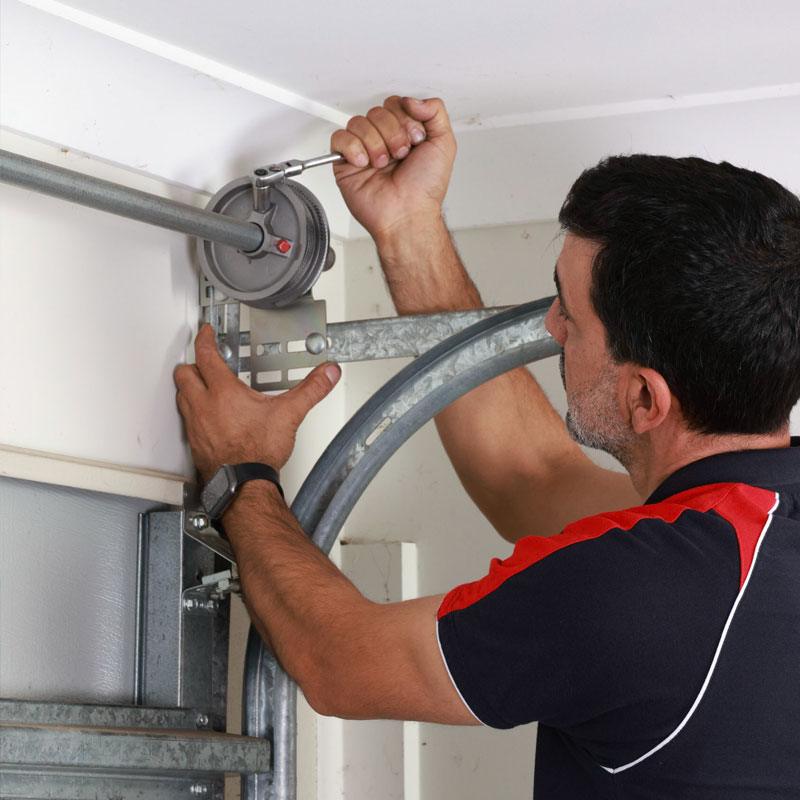
Tips to Prevent Garage Door Cable Problems
Preventive maintenance is the most reliable way to extend your cable’s life and avoid unexpected breakdowns. These garage door maintenance habits are simple to follow and go a long way in keeping your entire system running safely year after year.
- Schedule a professional inspection once a year. A trained technician can spot early fraying, rust, or tension problems before they cause a full failure.
- Lubricate the cables twice a year. Use a garage door-specific lubricant on the cable near the bottom bracket and along the drum area to reduce friction and slow down wear.
- Keep the cables clean and dry. Wipe down visible cable sections periodically to remove moisture, dirt, and debris that accelerate corrosion.
- Test your door’s balance every few months. Disconnect the opener and lift the door manually to the halfway point. If it stays in place, the balance is good. If it rises or falls, the tension needs professional adjustment.
- Avoid forcing the door open or closed manually. This puts sudden, excessive stress on the cables and can cause them to snap or slip off the drum.
For a broader look at keeping your full system in good shape, The Spruce covers the most common garage door problems and how to troubleshoot them in a practical, easy-to-follow guide.
Do Not Let a Cable Problem Put Your Home at Risk
A broken garage door cable is not a problem that gets better on its own. The longer it goes unaddressed, the more likely it is that other components will be affected. Whether your door is hanging unevenly, moving slowly, or has stopped working altogether, a professional inspection is the right first step.
Garage Door Wizard is Cypress, TX’s trusted team for garage door cable repairs, inspections, and full system tune-ups. No matter the size of the problem, the goal is always the same: get your door working safely and reliably again. Contact us or give us a call today to schedule a service visit and get your garage door working safely again.