
When a garage door cable fails, the first question most homeowners ask is simple. Can I handle this myself, or do I need to call someone? It is a fair question, and the honest answer depends on more than just whether you are handy with tools.
Garage door cable repair involves components that are under significant mechanical tension. Getting it wrong does not just mean the door does not work. It can mean a door that comes down unexpectedly, damaged hardware, or a real risk of injury. This guide gives Cypress, TX, homeowners a straight, no-pressure look at both options so you can make the right call for your situation.

Reasons Most Homeowners Should Not DIY Garage Door Cable Repair
Before deciding to take this on yourself, it is worth understanding exactly what makes this job more dangerous than a typical home repair. These are not reasons to discourage you; they are the honest realities that any experienced garage door repair technician will tell you upfront.
Torsion Springs Are Under Extreme Tension
- The torsion spring that works alongside the cable stores a large amount of mechanical energy
- A spring that releases suddenly can cause serious injury or significant property damage
- Cable repairs often require working in close proximity to the spring, even if the spring itself is not being replaced
- This is not a component where a mistake can simply be undone; it needs to be handled correctly the first time
The Job Requires Specialized Tools
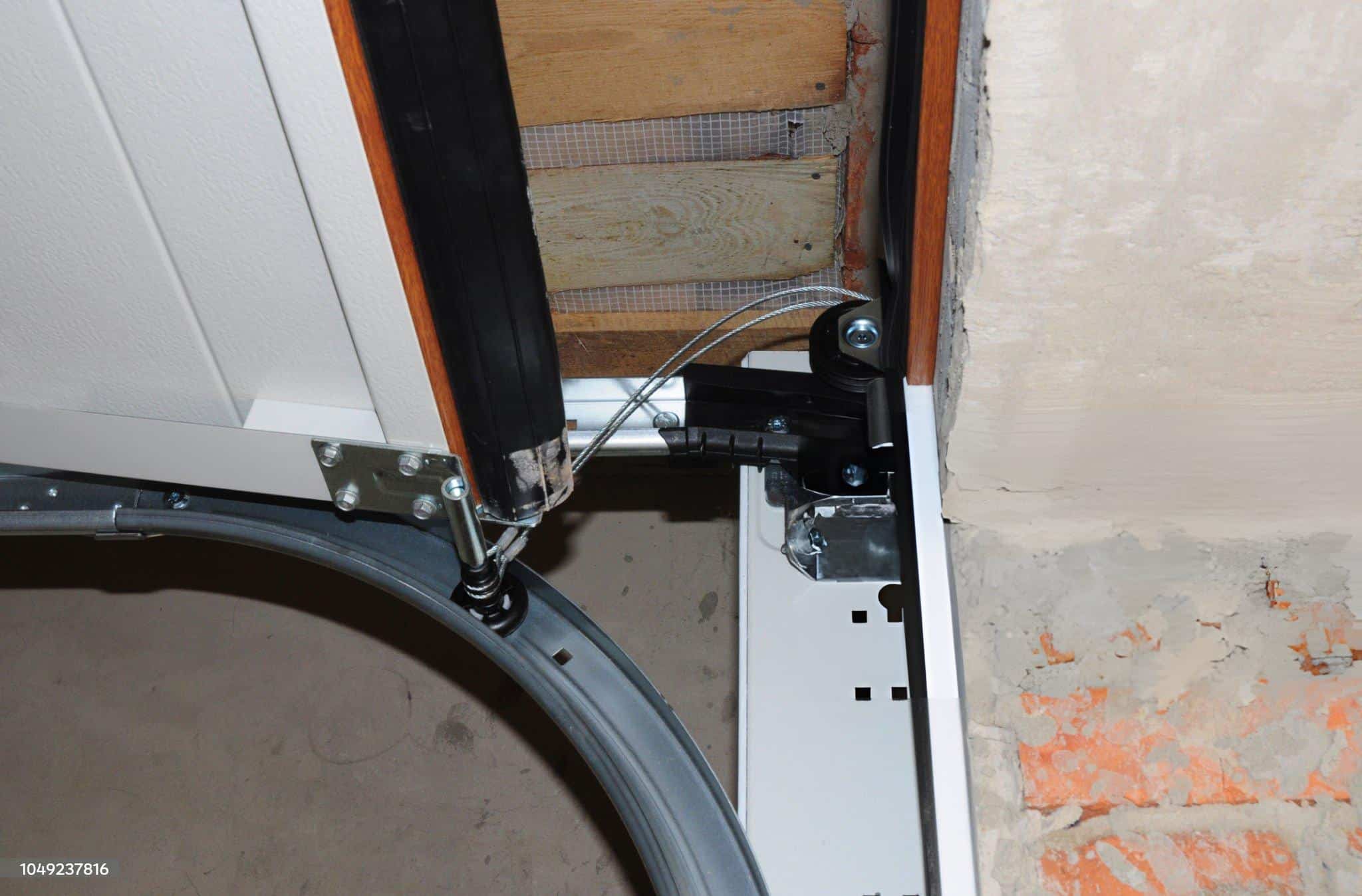
- Properly winding and securing garage door cables requires winding bars, cable drums, and tension gauges that most homeowners do not have
- Using substitute tools, such as screwdrivers or pliers, in place of proper winding bars is one of the most common causes of DIY injuries
- Even if you source the right cable, installing it without the correct tools makes it nearly impossible to set the tension accurately
- Incorrect tension leads to an unbalanced door, which creates new problems immediately
To understand the full scope of what a cable failure looks like and what needs to be addressed, start with Broken Garage Door Cable: Signs, Causes, and Repair Options for a complete overview.
Incorrect Installation Creates Bigger Problems
- A cable that is re-attached but not properly tensioned will cause the door to move unevenly
- Uneven movement puts stress on the tracks, rollers, and opener motor
- In some cases, a poorly installed cable can cause the door to come off the track entirely
- What starts as a cable replacement can quickly become a much larger and more expensive repair
Both Cables Usually Need to Be Replaced Together
- Cables wear at the same rate, so when one fails, the other is typically close behind
- Replacing only the damaged cable and leaving the worn one in place is a short-term approach that leads to a repeat failure soon after
- Replacing both requires working on both sides of the door simultaneously, which is difficult to manage safely without a second set of hands and proper equipment
Warranties and Liability Can Be Affected
- Some garage door manufacturers and opener warranties require that repairs be performed by a licensed technician
- A DIY repair that causes additional damage may not be covered under any warranty
- If a DIY cable repair contributes to an injury or property damage, homeowner’s insurance coverage may also be affected
- A professional repair comes with accountability and workmanship guarantees that a DIY job simply cannot provide
Situations Where DIY Is Not an Option at All
There are specific scenarios where attempting a DIY repair creates serious risk regardless of skill level. These situations require a professional every time.
The Torsion Spring Also Needs Replacement
- If the cable failed because the torsion spring broke, the spring must be replaced as part of the repair
- Torsion spring replacement is one of the most hazardous DIY tasks in home maintenance
- Attempting this without proper equipment is how serious injuries happen
- The American Association of Garage Door Manufacturers strongly advises homeowners against attempting spring replacement without professional training and tools
The Door Has Come Off the Track
- A cable failure that causes the door to derail means the tracks, rollers, and possibly the panels need to be assessed as well
- Re-aligning a door that has come off its track requires precise adjustment and experience
- Forcing a derailed door back into operation without proper realignment can warp the tracks permanently
The Cable Drum Is Damaged or Misaligned
- If the drum has shifted, cracked, or the cable groove is worn down, the drum itself needs to be replaced or realigned
- Working on the drum means working in direct proximity to the torsion spring
- This is a task that requires professional tools and experience to complete safely
The Door Is a Commercial or Heavy-Duty Model
- Heavier doors use higher-tension springs and thicker cables that carry significantly more stored energy
- The margin for error is smaller, and the consequences of a mistake are greater
- Professional repair is the only appropriate path for commercial garage door systems
What a Professional Cable Repair Actually Involves
Understanding what a technician does during a cable repair helps clarify why the job is not as simple as it looks from the outside. This same process applies whether it is a scheduled repair or an emergency garage door service call; the steps do not change just because the situation is urgent.
- The technician releases tension from the torsion spring safely before touching the cable
- Both cables are removed and inspected, and replacement cables are matched to the door’s weight and height specifications
- The drums are checked for alignment and wear before the new cables are wound
- Cable tension is set precisely on both sides to ensure even door movement
- The full system is tested multiple times after installation, including balance, travel, and auto-reverse function
- The spring, tracks, rollers, and hardware are all checked as part of a complete service visit
DASMA also provides homeowner-focused garage door safety tips that explain why professional installation and repair standards exist and what they are designed to protect against.
Knowing when to replace your cable is just as important as knowing how to get it repaired. If you have not already gone through How Do You Know When to Replace Garage Door Cables?, it covers the specific signs that tell you a replacement is actually due versus a repair that might hold for now.
Things to Look for When Hiring a Garage Door Technician
Not all technicians offer the same level of service. Here is what separates a reliable professional from a rushed one. The right technician does more than complete the repair; they treat every visit as an opportunity to support your long-term garage door maintenance.
They Inspect the Full System, Not Just the Cable
- A thorough technician does not simply swap the cable and leave
- They check the springs, drums, tracks, rollers, and hardware to make sure nothing else is worn or damaged
- A full inspection prevents a second service call within a short period of time
- Ask the technician what their standard inspection process includes before work begins
They Use Cables Rated for Your Specific Door
- Cable thickness, length, and weight rating must match your door’s specifications
- A technician who uses generic or mismatched cables is cutting corners that will cost you later
- Quality replacement cables are galvanized steel and matched to both the door weight and the drum size
They Provide a Clear Explanation Before Starting Work
- A trustworthy technician explains what failed, what needs to be replaced, and why
- They give you an honest assessment of whether other components need attention at the same time
- You should never feel pressured into repairs that were not clearly explained before work begins
The ULSE outlines why automatic garage door standards matter for homeowner safety and what those standards require of the components and technicians involved in every repair.
And if you want to understand how your cable’s age and usage history factor into the decision, How Long Do Garage Door Cables Last? gives you a clear lifespan breakdown to work from.
Protect Your Home by Leaving Cable Repairs to the Experts
A garage door cable is not the place to test your DIY limits. The tools, the tension, and the safety risks involved make this one of those repairs where calling a professional is not just convenient, it is the responsible choice for your home and your family. A mistake during installation does not just mean the door stops working. It can mean a door that drops without warning, damaged hardware throughout the system, or a repair bill that far exceeds what a professional visit would have cost from the start.
Garage Door Wizard has been helping Cypress, TX homeowners handle garage door cable repairs safely and correctly, with no shortcuts and no guesswork. Every service visit includes a full system check, so nothing gets missed while the technician is already on-site. Contact us or give us a call today to schedule a service visit and get your garage door running safely and smoothly again.