
Most homeowners do not think about their garage door cables until something goes wrong. But like any mechanical component that gets used every single day, cables have a lifespan, and knowing what to expect can save you from a sudden failure at the worst possible time.
If you live in Cypress, TX, and use your garage door multiple times a day, understanding how long cables typically last and what affects that timeline is one of the most practical things you can do as a homeowner. This guide breaks it all down clearly.
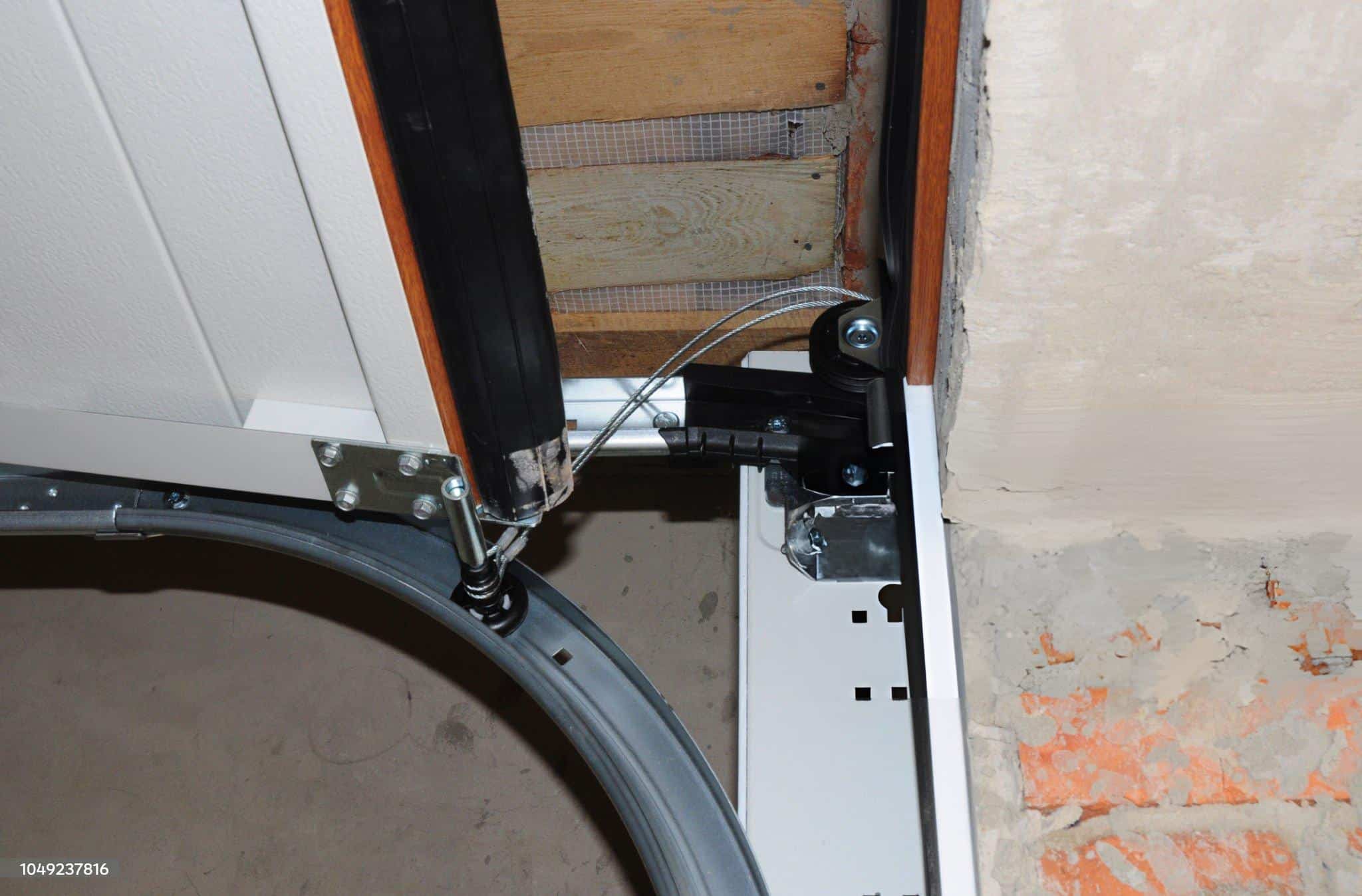
How Long Garage Door Cables Last Based on Usage
The average garage door cable lasts between 5 and 10 years under normal residential use. However, that range can shift significantly depending on how often the door is used, how well it is maintained, and the conditions it is exposed to. Staying on top of that timeline is one of the best ways to avoid an unexpected garage door repair down the line.
Here is a general lifespan breakdown based on usage:
Light Use (1 to 2 Cycles Per Day)
- Cables can last closer to 8 to 10 years under light daily use
- This applies to households where the garage is used occasionally, not as the main entry point
- Even with light use, annual inspections are still recommended
- Cables can deteriorate from moisture and inactivity just as easily as from heavy use
Moderate Use (3 to 5 Cycles Per Day)
- The most common usage pattern for a typical family home
- Cables in this range generally last between 6 and 8 years
- Regular lubrication and tune-ups can push the lifespan toward the higher end
- This is when annual professional inspections become especially important
Heavy Use (6 or More Cycles Per Day)
- Cables experience significantly more wear and may need replacement in as few as 4 to 5 years
- Common in households where the garage serves as the primary entrance and exit
- More frequent inspections, ideally every six months, are strongly recommended
- Component wear accelerates across the entire system, not just the cables
Factors That Affect How Long Your Cables Last
Lifespan is not just about how often you use the door. Several other factors play a major role in how quickly cables wear down. Understanding them gives you a clearer picture of what good garage door maintenance actually protects against.
Cable Material and Quality
- Most residential garage doors use galvanized steel cables, which resist rust better than uncoated steel
- Higher-quality cables with a thicker gauge last longer under repeated stress
- Budget cables or mismatched replacements tend to wear faster and may not be rated for your door’s weight
- Always confirm that replacement cables match the manufacturer’s specifications for your specific door
Climate and Humidity
- Cables in humid or coastal environments are more prone to corrosion, which weakens the steel strands over time
- Cypress, TX, experiences warm, humid summers that can accelerate rust formation on exposed metal components
- Garages without climate control or proper weatherstripping expose cables to more moisture
- Regular cleaning and lubrication help offset the effects of humidity on cable lifespan
Spring Condition
- The torsion spring and cable share the load of lifting and lowering the door
- A worn or improperly tensioned spring forces the cable to compensate, adding stress that shortens its life
- Cables and springs typically wear at a similar rate, which is why technicians often recommend replacing both together
- Ignoring a struggling spring is one of the fastest ways to shorten cable lifespan
Maintenance Frequency
- Cables that are regularly lubricated, inspected, and kept clean consistently last longer than neglected ones
- A simple twice-yearly lubrication routine can meaningfully extend the useful life of your cables
- Professional tune-ups catch early signs of fraying or tension problems before they lead to a full failure
- Skipping maintenance does not save money in the long run since it leads to earlier and more costly repairs
Installation Quality
- Cables that are installed correctly with proper tension and alignment wear evenly and last longer
- Poor installation creates stress points that cause cables to fray or snap prematurely
- Any time a cable, spring, or drum is replaced, the entire system should be checked for proper alignment and balance
- This is one of the strongest arguments for always using a qualified technician for garage door repairs
To understand what happens when cables reach the end of their life, read Broken Garage Door Cable: Signs, Causes, and Repair Options for a full overview of what failure looks like and how it is addressed.
Signs Your Cable Is Nearing the End of Its Life
You do not have to wait for a full failure to know your cable needs attention. These early warning signs indicate that replacement is coming soon.
Visible Fraying or Kinking Along the Cable
- Individual strands of the cable begin to separate or break before the full cable snaps
- Frayed cables may still function temporarily but are no longer safe to rely on
- A kinked section means the cable has been bent or wound incorrectly and the structural integrity is compromised
- This is something to check for during your regular visual inspections
Surface Rust on the Cable
- Light surface rust can sometimes be addressed with cleaning and lubrication
- Deep or widespread rust that has penetrated the inner strands means the cable needs to be replaced
- Rust weakens the steel significantly and increases the chance of a sudden snap under normal load
- Do not assume a rusty cable is still safe just because the door is still opening
Uneven Door Movement
- A door that wobbles, shakes, or moves unevenly during operation often has a cable that has lost tension on one side
- This puts additional strain on the opposite cable, the tracks, and the opener motor
- Catching this early prevents a single cable issue from becoming a multi-component repair
- If the door is visibly off-balance, stop using it until a technician can inspect it
The Door Feels Heavier Than Usual When Lifted Manually
- Disconnect the opener and try lifting the door by hand to the halfway point
- A balanced door should stay in place when released
- If the door feels unusually heavy or drops when released, the cable tension or spring condition needs professional evaluation
- This simple test takes less than a minute and can reveal a lot about the overall health of your system
For a broader understanding of how springs interact with cables and why both wear together, The Spruce covers how to replace garage door springs with helpful context on what the full system endures over time.
For a deeper look at exactly when those signs cross the line from a repair to a full replacement, How Do You Know When to Replace Garage Door Cables? covers that decision in detail.

How to Get the Most Out of Your Garage Door Cables
Extending your cable’s lifespan comes down to consistent, simple habits. Staying ahead of wear not only protects your cables but also reduces the chance of ever needing emergency garage door service at the worst possible time. Here is what works.
- Lubricate cables twice a year. Apply a garage door-specific lubricant to the cable near the bottom bracket and along the drum area. Avoid using WD-40 since it is a degreaser, not a lubricant, and can dry out the cable over time.
- Schedule a professional inspection annually. A technician will check cable tension, fraying, rust, and alignment, and can replace components before they fail completely.
- Keep the garage dry where possible. Good weatherstripping and ventilation reduce moisture buildup that leads to corrosion.
- Do not ignore small issues. A slightly uneven door or a minor squeaking sound is often an early sign of a cable or spring issue. Addressing it early is almost always less costly than waiting.
- Replace cables and springs together when one fails. Since both components wear at similar rates, replacing just one often leads to a second service call within a short period.
The IDA also offers a practical resource on garage door care and maintenance that covers what a proper annual checkup should include and what to ask a qualified professional.
Understanding your cable’s lifespan is only part of the picture. Once you know replacement is coming, the next question is whether to tackle it yourself or bring in a professional. Garage Door Cable Repair: DIY or Hire a Pro? gives you an honest, detailed comparison of both options so you can make the right call for your situation.
Make Sure Your Garage Door Cables Are Still Up to the Job
If your garage door cables are approaching the five-year mark, showing early signs of wear, or have never been professionally inspected, now is a smart time to schedule a checkup. Catching a problem early is always less disruptive and less costly than dealing with a full failure.
Garage Door Wizard serves homeowners throughout Cypress, TX with honest, professional garage door service. With years of experience helping local homeowners stay ahead of cable wear, spring issues, and full system failures, the right help is just one call away. Contact us or give us a call today to schedule an inspection and make sure your cables are in the best possible shape.