
Your garage door cable does not come with a warning light. It does not send an alert when it is close to failing. Most of the time, it just quietly wears down until one day something goes wrong and the door stops working the way it should.
The good news is that cables do give off warning signs before they fail completely. You just need to know what to look for. This guide walks Cypress, TX, homeowners through the clearest indicators that a cable replacement is due, what to inspect on your own, and when it is time to stop waiting and call a professional.
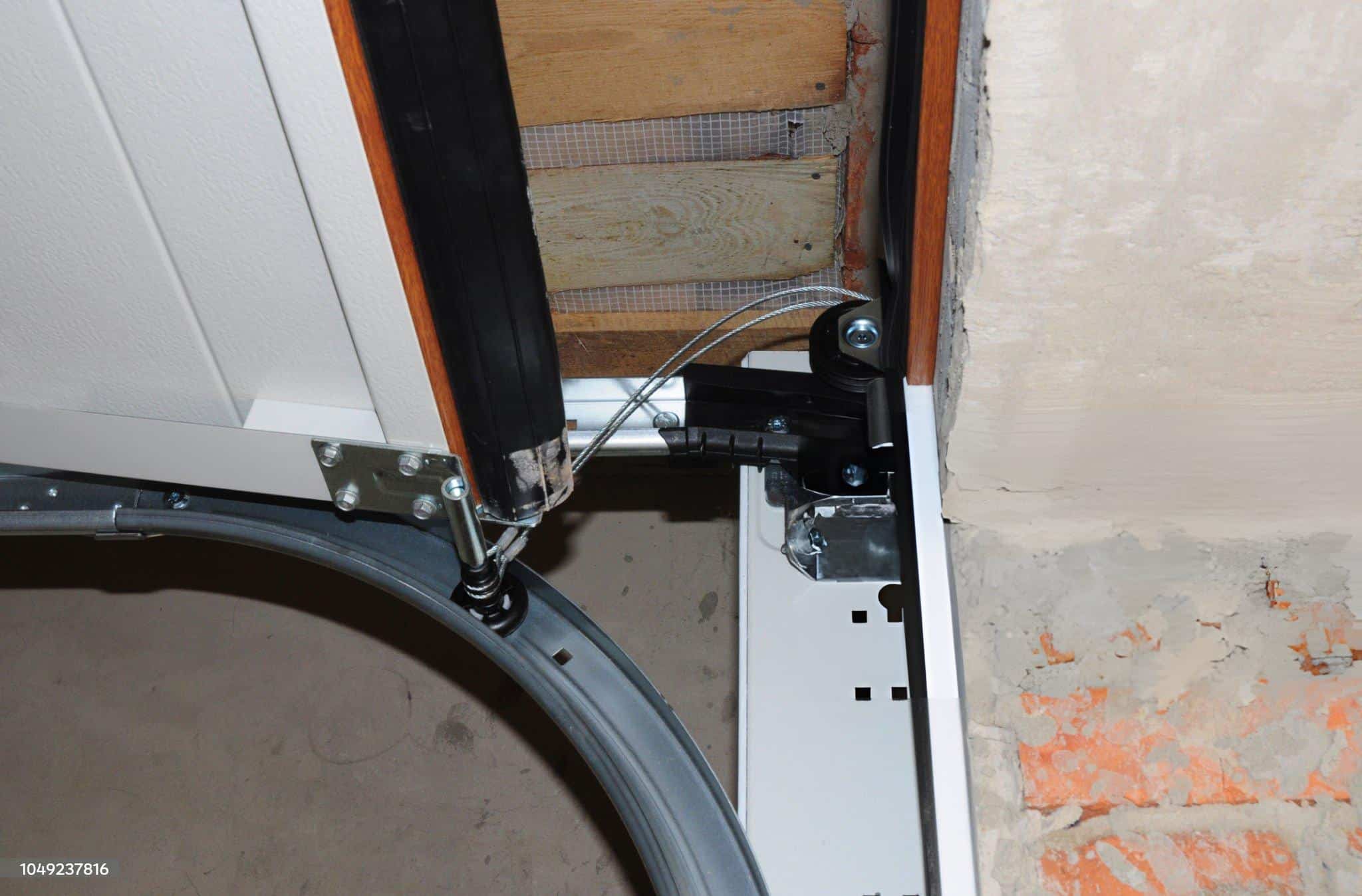
Visual Signs Your Garage Door Cable Needs Replacing
A quick visual check is often all it takes to spot a cable that is past its safe working life. Here is what to look for when you inspect your system. Catching these early can save you from a more involved garage door repair later on.
Frayed or Unraveling Cable Strands
- A healthy cable has tightly wound steel strands running along its full length
- When individual strands begin to separate, fray, or stick out at odd angles, the cable has weakened significantly
- Fraying typically starts near the drum or the bottom anchor bracket, where stress is highest
- A frayed cable may still function temporarily but is no longer structurally reliable and should be replaced promptly
Rust or Corrosion Along the Cable
- Surface rust on a cable is a warning sign, not just a cosmetic issue
- Corrosion weakens the steel from the outside in, making the cable brittle and prone to snapping under normal load
- In Cypress, TX where humidity stays high for most of the year, rust can develop faster than homeowners expect
- If the rust has penetrated beyond the surface and the cable feels rough or flaky to the touch, replacement is the right call
Kinks or Bends in the Cable
- A cable that has been kinked or bent out of its natural shape will never return to full strength
- Kinking happens when the cable slips off the drum, winds unevenly, or is forced out of alignment
- Even if the door still opens and closes, a kinked cable creates a weak point that can snap without notice
- This is one of the easier signs to spot during a visual inspection from the bottom corners of the door
Slack or Loose Cable Near the Bottom Bracket
- A cable in good working condition should always appear taut when the door is closed
- If you notice the cable sitting loosely, coiling on the floor, or not fully engaged with the anchor bracket, it has either slipped or partially failed
- Slack cable on one side also causes the door to sit unevenly, which puts stress on the tracks, rollers, and opener
- Do not attempt to reattach or re-tension the cable yourself, as it is under significant mechanical load
Visible Wear Near the Drum or Anchor Points
- The areas where the cable wraps around the drum and connects to the bottom bracket experience the most stress
- Look for thinning, discoloration, or flattening of the cable in these areas
- Any visible deformation near these connection points is a strong indicator that the cable has reached the end of its safe service life
- A technician will always check these areas first during a professional inspection
For a full picture of what happens once a cable actually fails, Broken Garage Door Cable: Signs, Causes, and Repair Options covers the complete breakdown of failure symptoms, causes, and what repair looks like.
Behavioral Signs the Door Is Telling You Something Is Wrong
Sometimes the cable does not show obvious visual damage, but the way your door behaves can still point to a replacement being overdue. Left unaddressed, these behavioral signs can escalate quickly and may end up requiring emergency garage door service if the cable fails at a critical moment.
The Door Opens or Closes Unevenly
- One side of the door moving faster or slower than the other is a classic sign of unequal cable tension
- An uneven door creates friction against the tracks and puts strain on the opener motor
- Left unaddressed, this imbalance can lead to track damage, roller failure, or a complete cable snap
- If the door consistently looks crooked while in motion, a cable inspection should happen sooner rather than later
The Door Reverses on Its Own or Struggles to Close Fully
- A garage door that refuses to close completely or reverses mid-cycle may be responding to tension problems caused by a worn cable
- The opener’s safety sensors can detect uneven resistance and trigger a reversal to prevent damage
- While sensors and settings are sometimes the cause, a worn cable that creates uneven pull is a common contributing factor
- Ruling out cable wear should be part of any troubleshooting process when the door behaves this way
The Opener Motor Sounds Like It Is Straining
- A motor that hums loudly, runs longer than usual, or struggles during operation is often compensating for a mechanical issue elsewhere in the system
- Worn or loose cables require the motor to work harder to move the door
- Ignoring the strain on the motor can lead to opener failure on top of a cable replacement
- If the door used to open smoothly and quietly but no longer does, the cable condition is worth checking
The Door Feels Off-Balance When Lifted Manually
- Disconnect the opener and lift the door by hand to the halfway point
- A properly balanced door will stay in place when released
- If the door drops, rises on its own, or feels much heavier than it used to, the cable tension or spring condition needs professional evaluation
- This is one of the most reliable hands-on tests a homeowner can perform without any tools
Situations Where Replacement Is Always the Right Call
There are times when a repair is simply not enough. In these situations, replacing the cable is the only responsible option.
The Cable Has Snapped Completely
- A fully snapped cable cannot be spliced or patched
- Once a cable breaks, it needs to be replaced entirely
- A technician will also inspect the spring, drum, and anchor bracket to confirm no additional components were damaged when the cable let go
- Using the door after a full cable snap is unsafe under any circumstances
The Cable Is More Than 7 to 10 Years Old
- Even if a cable shows no obvious damage, age alone is a valid reason for replacement
- Steel fatigue builds up over thousands of cycles even without visible fraying or rust
- Proactive replacement on an aging cable is far less disruptive than waiting for an emergency failure
- If you are unsure how old your cables are, a technician can assess the wear and give you an honest recommendation
For a wider look at what contributes to garage door wear over time, This Old House covers everything homeowners should know about garage doors, including how components age and what to expect from a full system
The Cable Has Been Repaired Multiple Times
- A cable that has been adjusted, re-tensioned, or patched more than once is not delivering the reliability your door system needs
- Repeated repairs are a sign that the cable is past the point where maintenance alone can keep it functional
- At this stage, replacement is more cost-effective than continuing to service a failing component
If you are also wondering how much life your cables have left based on their age and usage, How Long Do Garage Door Cables Last? gives you the full lifespan breakdown to help set your expectations.
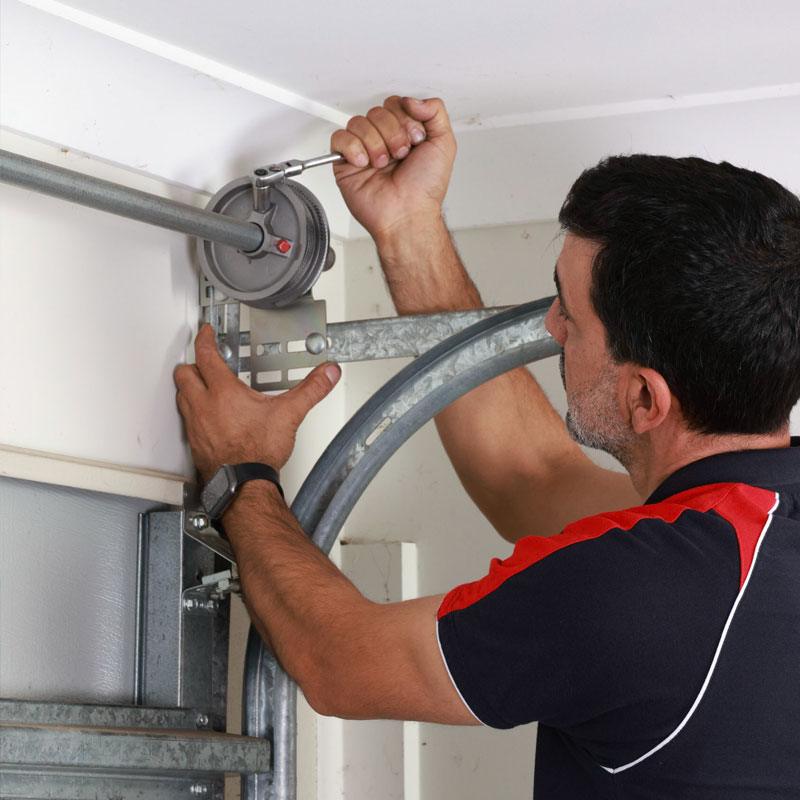
What a Professional Inspection Covers
A visual check from the ground only tells part of the story. Here is what a trained technician looks at during a full cable inspection. If you are unsure whether your garage door maintenance is as thorough as it should be, this list is a good benchmark to measure against.
- The full length of both cables for fraying, rust, kinking, and thinning
- The drum on each side for proper alignment and cable seating
- The bottom anchor brackets for corrosion, cracking, or looseness
- The overall door balance and cable tension on both sides
- The torsion spring condition, since spring wear directly affects cable stress
- The track and roller condition, since cable issues often cause secondary damage in these areas
For a complete picture of what a proper checkup involves, Angi breaks down how to inspect and maintain your garage door with a detailed walkthrough of what professionals look for during a service visit.
Confirming that a cable needs replacing is one decision. The next is figuring out how to handle it. Garage Door Cable Repair: DIY or Hire a Pro? gives you a clear, honest look at what the replacement process actually involves and which approach makes the most sense for your situation.
Know When Your Garage Door Cable Has Reached Its Limit
A cable that is showing wear today will not last indefinitely. The warning signs are there for a reason, and ignoring them rarely saves time or money. Replacing it on your terms, before it snaps or causes secondary damage, is always the smarter and less costly path. The longer a worn cable stays in use, the greater the risk of the door coming down unexpectedly or taking other components down with it.
Garage Door Wizard serves Cypress, TX homeowners with straightforward, professional garage door inspections and cable replacements. Whether you spotted an early warning sign or simply want peace of mind, the team is ready to give you a clear, honest assessment. Contact us or give us a call to schedule a professional inspection and get a straight answer on whether replacement is due.