
Your garage door is one of the largest moving parts in your home, and it works hard every single day. Most homeowners in Cypress, TX, do not think twice about it until something goes wrong. But when a garage door has a problem, it can go from a minor inconvenience to a real safety risk fast.
Garage door safety is not just about keeping the door working. It is about protecting your family, your vehicle, and your home from preventable accidents. Catching problems early and knowing when to call in a garage door repair professional can make a big difference between a minor repair and a serious hazard.
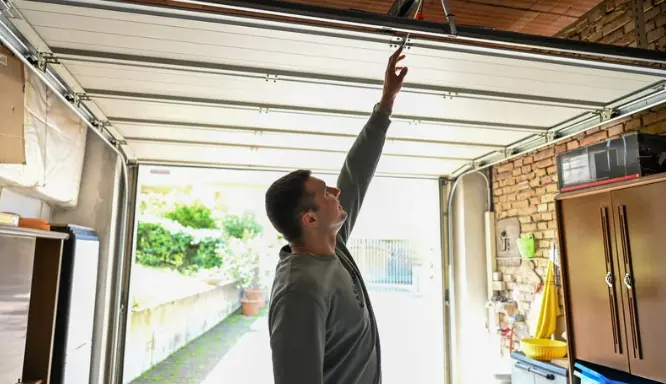
Why Garage Door Safety Matters More Than Most Homeowners Think
Most homeowners do not realize how much risk a poorly maintained garage door carries. A door that seems fine one day can become a serious hazard the next.
The Risk Is Closer Than You Think
A garage door weighing 130 to 350 pounds moves up and down multiple times a day. Here is why that matters:
- Garage doors are involved in thousands of accidents every year, from pinched fingers to falling doors.
- Moving parts operate under constant mechanical stress, increasing the chance of sudden failure.
- Children and pets are especially vulnerable when a door malfunctions unexpectedly.
What Makes a Garage Door Unsafe
Garage door safety issues rarely start with a dramatic breakdown. They build up slowly through wear, neglect, or ignored damage:
- Age and wear: Springs and cables have a limited lifespan and weaken over time.
- Lack of maintenance: Skipping routine checks allows small problems to grow.
- Weather exposure: Heat and humidity in Cypress, TX, corrode metal parts and warp tracks.
- Accidental damage: Bumps from vehicles can throw components out of alignment.
For homeowners in Cypress, TX, where heat and humidity wear down components faster, regular garage door safety inspection is not optional. For a deeper look, check out our article on Why Garage Doors Become Dangerous Over Time.
Broken or Worn Garage Door Springs
Garage door springs do a lot of heavy lifting, literally. When they start to fail, the consequences can be sudden and dangerous.
Why Springs Are One of the Biggest Hazards
Broken garage door springs are among the most dangerous garage door safety issues a homeowner can face:
- A snapped spring releases stored energy instantly, causing the door to drop without warning.
- Both torsion springs above the door and extension springs along the sides carry extreme tension at all times.
- Most springs last around 10,000 cycles, roughly 7 to 10 years of regular use.
Spring replacement is never a DIY task. Always have a qualified technician handle it.
What to Check and What to Do
- The door feels very heavy when opened manually.
- One side appears lower than the other when the door moves.
- You hear a loud bang from the garage, even when the door was not in use.
Do not operate a garage door with a broken spring until a trained technician has inspected and replaced it.
Garage Door Sensor Problems That Put Families at Risk
Sensors are your garage door’s first line of defense against accidents. When they stop working, the door loses one of its most critical safety functions.
How Sensors Keep Your Door Safe
Photo-eye sensors mounted near the base of the door send an invisible beam across the opening. Here is why they matter:
- They stop the door from closing on a child, pet, or object in its path.
- Federal safety standards have required auto-reverse on all openers since 1993.
- A dirty or misaligned sensor can fail silently, giving a false sense of security.
Signs Your Sensors Need Attention
- The door reverses immediately after pressing close, even with nothing in the way.
- The door does not reverse when an object is placed in its path during testing.
- Sensor lights are blinking, off, or showing amber instead of green.
Clean the lenses with a soft cloth and check alignment. If the issue continues, have a technician inspect the wiring and sensor units.
Garage Door Track Issues That Can Cause a Collapse
The tracks keep your garage door moving in a straight and controlled path. Any damage or misalignment can throw the entire system off balance.
The Role of Tracks in Safe Operation
Tracks guide the door through every cycle. When something is wrong, the whole system suffers:
- Bent or misaligned tracks force rollers out of position, putting uneven stress on the door.
- A door that jumps off its tracks can suddenly fall and injure anyone nearby.
- Debris inside the track channel can cause the door to bind or stop mid-cycle.
Industry safety organizations like DASMA recommend homeowners visually inspect their tracks regularly as part of basic garage door safety maintenance.
What to Look For on Your Tracks
- Visible bends, dents, or gaps where the rollers sit.
- Grinding or scraping sounds while the door moves.
- The door stops or hesitates at the same point every cycle.
Cleaning the tracks is something homeowners can handle. Realignment and track repairs should always be left to a professional.
Frayed or Broken Cables Are a Hidden Danger
Garage door cables work quietly every time your door moves. Because they are easy to overlook, damage often goes unnoticed until it becomes a serious problem.
What Cables Do and Why They Matter
Cables work with the springs to carry the weight of the door through every cycle:
- A cable failure puts extra strain on the springs and can cause the door to tilt or fall.
- Humidity in Cypress, TX accelerates rust and corrosion on cable wires.
- A snapped cable shifts the load unevenly, causing the door to bind or drop on one side.
How to Spot Cable Problems Early
- One side of the door hangs lower than the other.
- Visible fraying, kinking, or looseness in the cables during inspection.
- Unusual noises or jerking during operation.
Cable replacement should only be handled by a qualified garage door technician due to the tension involved.
Garage Door Maintenance Gaps That Lead to Bigger Problems
Skipping routine garage door maintenance is one of the most common reasons garage doors develop safety issues. Small problems that go unchecked rarely stay small.
Why Routine Inspections Matter
- Catching worn parts early costs far less than waiting for a full failure.
- Regular lubrication extends the life of rollers, hinges, and springs.
- A professional can identify issues a basic walk-around will miss.
A thorough garage door inspection and maintenance routine covers auto-reverse testing, lubrication, and hardware checks.
What a Basic Garage Door Safety Inspection Should Cover
- Test auto-reverse by placing a rolled-up towel in the door’s path and pressing close.
- Listen for unusual sounds during the full open and close cycle.
- Check weather stripping along the bottom and sides for cracks or gaps.
- Inspect rollers, hinges, and brackets for rust, cracks, or loose fasteners.
A garage door safety inspection every three to six months can catch minor issues before they turn into major repairs.
Old or Malfunctioning Garage Door Openers
An opener past its prime does more than slow you down. It can leave your door without the safety features modern systems depend on.
When Your Opener Becomes a Risk
Older openers often lack features now considered standard:
- No auto-reverse means the door will not stop or reverse when it hits an obstruction.
- Without rolling code technology, the opener is more vulnerable to unauthorized access.
- No battery backup leaves homeowners unable to operate the door safely during power outages.
If your opener is more than 10 to 15 years old, it may be time to evaluate your options. Our article on How to Resolve Garage Door Safety Hazards at Home covers the steps homeowners can take when issues arise.
Warning Signs of an Aging Opener
- The door opens or closes on its own without any input.
- The opener responds slowly or not at all to the remote or wall button.
- The opener does not stop or reverse when the door meets an obstacle.
If your opener fails a basic auto-reverse test, stop using it until a technician has inspected it.
Worn Weather Seals and What They Mean for Safety
Weather seals do more than keep the elements out. When they wear down, the effects go beyond comfort.
More Than Just a Draft Problem
Failed weather seals create problems that affect safety and air quality:
- Gaps allow vehicle exhaust fumes to enter the garage and potentially the home.
- Rodents and pests enter through compromised seals and damage wiring and components.
- Water intrusion accelerates rust on springs, cables, and tracks.
In Cypress, TX, intense summer heat causes rubber seals to dry and crack faster than in cooler climates.
How to Identify Seal Wear
- Light is visible around the door edges when viewed from inside.
- Water or insects enter despite the door being fully shut.
- The rubber along the bottom appears cracked, flattened, or missing.
Bottom seal replacement is a task many homeowners can handle. Warped frames or side seal issues should be assessed by a technician.
Manual Release Cord Misuse and Emergency Exit Issues
The manual release cord is built for emergencies, but the wrong use at the wrong time can create a new hazard entirely. Knowing how it works and when to call for emergency garage door service can prevent a stressful situation from becoming a dangerous one.
A Safety Feature That Can Become a Hazard
The red cord disconnects the door from the opener for manual operation. Used incorrectly, it poses real risks:
- Pulling the cord while the door is moving can cause it to fall if springs are worn.
- Children who pull it out of curiosity can disconnect the system without knowing how to re-engage it.
- A door left in manual mode is unsecured and can be opened from the outside.
What Every Homeowner Should Know
- Only use the manual release when the door is fully closed or fully open.
- Re-engage the opener before returning to automatic operation.
- Keep the cord accessible but out of reach of young children.
If the cord feels stiff or hard to pull, have a technician check it at your next garage door safety inspection.

Knowing When the Problem Is Beyond a Quick Check
Some garage door safety hazards are not visible to the untrained eye. When something feels off, and you cannot find the cause, call a professional.
Some Issues Need a Professional Right Away
Here is when to skip the self-check and call a garage door repair service immediately:
- The door makes sounds you cannot identify and the source is not visible.
- The door feels unbalanced or heavy during manual operation without a clear cause.
- You have already checked the obvious causes and the problem keeps returning.
Red Flags That Require Immediate Professional Help
- The door has fallen off the tracks or is hanging at an angle.
- A loud snap or pop is followed by the door feeling extremely heavy.
- The door will not stay open or drops quickly when released manually.
- Springs, cables, or pulleys appear damaged, snapped, or hanging loose.
Average costs for garage door repair services vary by issue and parts. Always get a diagnostic inspection before agreeing to any repair.
Our guide on When Should You Repair or Replace Your Garage Door Safely? helps homeowners make the right call.
Your Garage Door Deserves More Than a Second Glance
The issues in this guide, from broken garage door springs and garage door sensor problems to garage door track issues and worn cables, all show warning signs before they become emergencies. The key is knowing what to look for and acting early.
If you are in Cypress, TX, and have noticed any of these warning signs, do not wait. Garage Door Wizard is here to help with professional inspections, repairs, and honest advice. Contact us or give us a call to schedule your garage door safety inspection.